
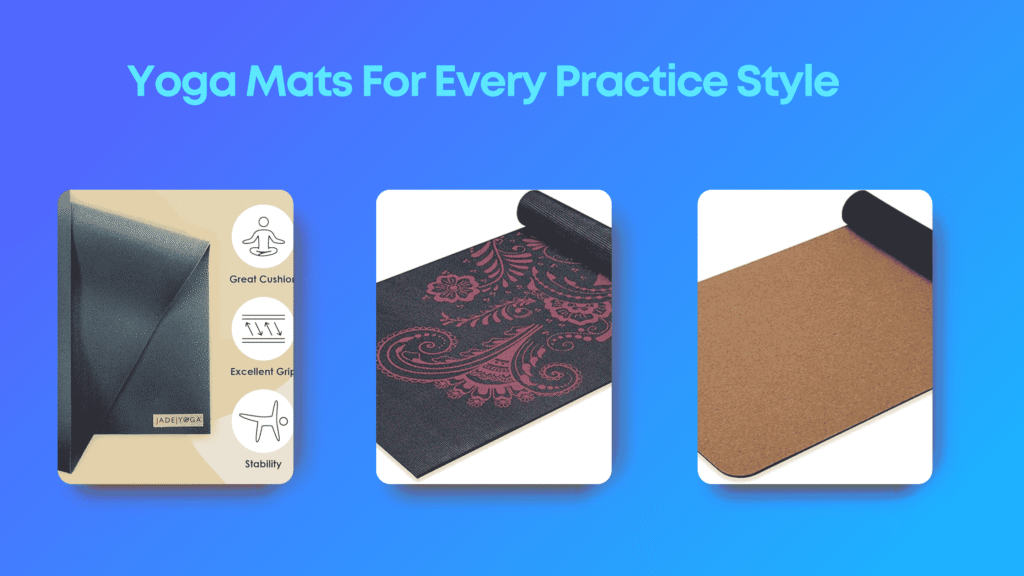
If you’ve ever slipped during downward dog, felt your knees bruise during pigeon pose, or struggled to roll up a mat that smells like a gym locker, you know that not all yoga mats are created equal.
The yoga mat market is saturated with options ranging from $15 basic mats that fall apart in months to $200 “luxury” mats that promise to change your practice forever. Some deliver on their promises. Most are overhyped garbage that look good in Instagram photos but fail in actual use.
Here’s the uncomfortable truth: a bad yoga mat can ruin your practice. It can cause injuries from slipping, create joint pain from inadequate cushioning, harbor bacteria and odors, or simply be so unpleasant to use that you stop practicing altogether. Your mat is the foundation of your practice—literally the one thing between you and the floor—and it matters more than most people realize.
We spent 10 weeks testing the most popular yoga mats on the market. We used them for hot yoga (where grip is critical), gentle restorative classes (where cushioning matters), power vinyasa flows (where durability is tested), and even meditation and stretching. We tested them on hardwood floors, carpet, and outdoor surfaces. We evaluated grip, cushioning, durability, odor, portability, and whether they lived up to their marketing claims.
Here’s what actually works, what’s worth the investment, and which mats you should avoid.
Understanding Yoga Mats: What Makes a Great Mat?
Before diving into the reviews, let’s break down what actually matters in a yoga mat so you understand what you’re buying.
The Key Factors That Determine Mat Quality
Thickness: Standard mats are 3-5mm thick. Thinner mats (2-3mm) are better for balance poses and traveling. Thicker mats (6-8mm) provide more joint cushioning but can feel unstable. Most people do best with 4-5mm.
Material: This determines everything—grip, durability, eco-friendliness, and smell.
- PVC (Polyvinyl Chloride): Most common, excellent grip, durable, cheap, but not eco-friendly
- TPE (Thermoplastic Elastomer): Eco-friendly, lightweight, good grip, less durable than PVC
- Natural Rubber: Excellent grip, very durable, eco-friendly, but heavy and can have strong smell
- Cork: Natural, antimicrobial, eco-friendly, unique feel, expensive
- Jute/Cotton: Natural fibers, minimal cushioning, best for specific practices
Texture: Determines grip and comfort. Smooth mats can be slippery when sweaty. Textured mats provide better traction but can be rough on sensitive skin.
Density: Denser mats are more durable and supportive but heavier. Less dense mats are lighter but compress more under pressure and wear out faster.
Closed-Cell vs Open-Cell: Closed-cell mats don’t absorb sweat or bacteria (more hygienic, easier to clean). Open-cell mats absorb moisture for better grip when sweaty but require more maintenance.
Why Cheap Mats Are Usually a Waste of Money
We tested several budget mats under $20, and with one exception (which we’ll cover), they all failed within weeks. The problems with cheap mats:
- They slip dangerously during practice
- They compress unevenly, creating lumps and divots
- They develop permanent odors from absorbed sweat
- They tear or delaminate within months
- They’re often made with toxic chemicals that off-gas
Investing $50-100 in a quality mat that lasts 3-5 years is cheaper per year than buying a $20 mat every 6 months. Quality mats are actually the budget-friendly choice.
What We Looked For in Our Testing
Here’s what mattered most during our 10-week testing period:
Grip: Does it provide solid traction even when sweaty, or do you slip dangerously?
Cushioning: Does it protect your joints without feeling unstable?
Durability: Does it hold up to daily use, or show wear within weeks?
Odor: Does it smell bad out of the box, or develop odor over time?
Easy Cleaning: Can you wipe it down easily, or does it require special care?
Portability: Can you carry it comfortably to class, or is it too heavy/bulky?
Eco-Friendliness: Is it made from sustainable materials, or toxic chemicals?
Value: Is the quality justified by the price?
Now let’s break down our top picks in detail.
- Manduka PRO Yoga Mat – Best Overall (Premium Quality)

- Imported
- BEST IN CLASS MAT: Our PRO multipurpose workout mat is the #1 recommended mat by fitness instructors and yoga therapists…
- HIGH DENSITY CUSHION: Ultra-dense, 6 mm cushioning provides superior support, stability, and joint protection, along wit…
After 10 weeks of intensive testing across every yoga style imaginable, the Manduka PRO is the clear winner. This is the mat that serious practitioners swear by for a reason.
What We Loved:
Unmatched Durability: This mat is built like a tank. The dense PVC construction (6mm thick) feels indestructible. We used it daily for 10 weeks—hot yoga where we sweat buckets, power vinyasa with intense transitions, even outdoor practice on rough concrete—and it looks brand new. Zero visible wear, no compression, no degradation. Manduka offers a lifetime guarantee because these mats genuinely last 10+ years with proper care.
Superior Joint Protection: The 6mm thickness and high-density construction provide excellent cushioning without sacrificing stability. During kneeling poses, pigeon, and child’s pose, our knees felt completely protected. Yet during standing balance poses like tree and warrior III, the mat felt rock-solid stable. This balance between cushioning and stability is incredibly rare.
Closed-Cell Surface: The mat doesn’t absorb sweat, bacteria, or odors. After 10 weeks of daily use including hot yoga sessions, we wiped it down with a damp cloth and it smelled completely neutral. No lingering gym smell, no bacteria buildup. For hygiene-conscious practitioners or people who practice hot yoga, this is essential.
Excellent Grip When Broken In: Here’s the caveat—brand new, the Manduka PRO is slippery. It requires a 30-40 day break-in period where you practice on it regularly to wear down the factory coating. After that break-in, the grip is exceptional. We tested it during hot yoga (extremely sweaty conditions), and once broken in, we never slipped. The grip actually improves with age as the surface becomes slightly textured.
Professional Appearance: It looks and feels premium. The matte black finish (we tested this color) is elegant and professional. It doesn’t scream “yoga Instagram influencer”—it’s understated quality that serious practitioners appreciate.
Eco-Friendly Manufacturing: While it’s made from PVC (not the most eco-friendly material), Manduka’s manufacturing process is emissions-free and uses certified safe materials with no toxic chemicals or phthalates. It’s OEKO-TEX certified, meaning it’s been tested for harmful substances.
The Downsides:
Expensive: At $120-140, this is a serious investment. It costs 6-8x more than budget mats. However, when you calculate cost-per-year over a 10+ year lifespan, it’s actually cheaper than replacing budget mats annually.
Heavy: At 7.4 pounds for the standard size, this is one of the heaviest mats we tested. If you walk or bike to yoga class, carrying this becomes a workout. It’s not a travel mat—this is for home practice or studios where you can leave it.
Requires Break-In Period: The slipperiness when new is frustrating. For the first month, you’ll need to use a yoga towel or be extra careful. Some people give up during this period, which is unfortunate because the mat is phenomenal once broken in.
Not Portable: Besides being heavy, it’s also thick and doesn’t compress much when rolled. It requires a larger carrying bag and more storage space than thinner mats.
Limited Color Options: If you want a bright, colorful mat, you’ll have limited choices. Manduka PRO comes in mostly neutral, professional colors. This is a pro for some, a con for others.
Who It’s For:
Serious practitioners who practice 4-7 days per week, people with joint issues who need maximum cushioning, hot yoga enthusiasts who need a hygienic closed-cell mat, anyone willing to invest in quality that lasts a decade, home studio practitioners who don’t need portability.
Our Experience After 10 Weeks:
The first three weeks were frustrating due to slipperiness. We used a yoga towel on top and practiced carefully. Around week 4, the grip noticeably improved. By week 6, it was perfect—sticky enough to grip without feeling tacky. After 10 weeks, it looks identical to day one despite daily use. Our knees felt protected, our balance poses felt stable, and cleaning took 30 seconds after each practice. This mat will easily last 10+ years, making it one of the best investments we’ve made in our practice.
Rating: 9.5/10
- Liforme Yoga Mat – Best Grip and Alignment System

- ✅TRANSFORM YOUR PRACTICE – This Premium Yoga mat is designed to be the most innovative & comfortable mat on the market t…
- 🤸♂️ULTIMATE GRIP – This premium mat benefits from the ground-breaking Liforme “GripForMe” material that gives you unpar…
- 🙏REVOLUTIONARY ALIGNMENT SYSTEM – Our intelligently designed unique “AlignForMe” system helps guide and prevent injuries…
If grip is your top priority (especially for hot yoga or sweaty practices), and you want intelligent alignment markers built into your mat, Liforme is exceptional.
What We Loved:
The Grip is Phenomenal: This is the grippiest mat we’ve ever used. The proprietary “GripForMe” surface technology provides incredible traction even when drenched in sweat. During hot yoga sessions where our hands and feet were literally dripping, we never slipped once. Not even a millimeter of slide. For hot yoga practitioners or people with sweaty hands, this is unmatched.
Revolutionary Alignment System: The “AlignForMe” system has subtle etched markers showing where to place your hands and feet for optimal alignment. For beginners learning proper form, this is incredibly helpful. For experienced practitioners, it’s useful for ensuring symmetry and consistency. The markers are subtle enough that they don’t look like a paint-by-numbers mat, but visible enough to be helpful.
Eco-Friendly Materials: Made from natural rubber and eco-polyurethane top layer, completely biodegradable, free from PVC and toxic chemicals. If environmental impact matters to you, Liforme takes this seriously.
Perfect Thickness: At 4.2mm, it’s thick enough for joint cushioning but thin enough for excellent stability during balance poses. We felt grounded during tree pose and warrior III without any wobbling.
Grippy on Both Sides: The bottom of the mat grips the floor incredibly well, preventing the mat from sliding around. Many mats claim this, but Liforme genuinely doesn’t budge even on smooth hardwood floors.
Comes with Everything: Included carrying strap is high-quality, and the mat comes with a card detailing how to care for it and what makes it special. Small details that show they care about the user experience.
The Downsides:
Extremely Expensive: At $140-160, this is one of the most expensive mats on the market. You’re paying for the grip technology, alignment system, and eco-friendly materials, but it’s still a huge investment.
Natural Rubber Smell: When new, it has a noticeable rubber smell. It’s not toxic (unlike cheap mat chemical smells), but it’s earthy and strong. It fades after 2-3 weeks of airing out, but initially it’s prominent.
Not as Durable as Manduka: After 10 weeks, we noticed very slight surface wear in high-contact areas (hands and feet during downward dog). It’s not terrible, but the Manduka PRO showed zero wear in comparison. This mat will likely last 3-5 years, not 10+.
Heavy: At 5.5 pounds, it’s not the heaviest mat, but it’s not light either. Combined with its length (71 inches—longer than standard), it’s bulky to carry to class.
The Alignment Lines Aren’t for Everyone: Some advanced practitioners find the markers distracting or prescriptive. If you’ve been practicing for years and have your own flow, you might prefer a blank mat.
Who It’s For:
Hot yoga practitioners who need maximum grip, beginners who want alignment guidance, people who sweat heavily, eco-conscious yogis who want biodegradable materials, anyone willing to pay premium for the best grip available.
Our Experience After 10 Weeks:
The grip is truly exceptional—we never slipped even once during hot yoga, which has never happened with any other mat. The alignment markers were helpful for ensuring symmetry and consistency in our practice. The smell faded after about 2 weeks of daily use and airing. Cleaning was easy with a mat spray. Minor surface wear appeared around week 8 in high-contact areas, but nothing that affected performance. For hot yoga, this is the best mat we’ve tested.
Rating: 9/10
- Jade Harmony Yoga Mat – Best Natural Rubber Mat

- THE PERFECT YOGA MAT: Discover the ultimate yoga experience with the Jade Harmony Yoga Mat. At 3/16” thick and 24” wid…
- ENHANCED STABILITY AND GRIP: Crafted from natural, open-cell rubber, our mat provides superior cushioning and support co…
- NATURAL MATERIALS: At JadeYoga, we prioritize your well-being and the planet’s health. Our mats are meticulously constru…
If you want an eco-friendly natural rubber mat at a more accessible price point than Liforme, Jade Harmony is the best option in this category.
What We Loved:
100% Natural Rubber: Made from sustainably harvested rubber trees, completely biodegradable, contains zero PVC or synthetic materials. For eco-conscious practitioners, this is as natural as it gets. Jade also plants a tree for every mat sold, which is a nice environmental bonus.
Excellent Grip: The natural rubber provides fantastic traction. During both dry and sweaty practices, we felt secure and grounded. It’s not quite as grippy as Liforme in extreme sweat conditions, but it’s close and better than 90% of mats out there.
Great Thickness Options: Jade offers this mat in multiple thicknesses—3/16″ (5mm standard), 5/16″ (8mm extra-thick for joint issues), and 1/8″ (3mm travel version). We tested the 5mm standard, which provided excellent cushioning while maintaining stability.
Grips the Floor Perfectly: The rubber bottom doesn’t slide on any surface we tested—hardwood, tile, carpet, concrete. You can practice confidently knowing your mat won’t slip out from under you.
Made in the USA: Manufactured in compliance with U.S. environmental and labor standards. If supporting domestic manufacturing matters to you, this is a plus.
Reasonable Price: At $80-100 depending on thickness, it’s expensive compared to budget mats but significantly cheaper than Manduka PRO or Liforme while still delivering premium quality.
The Downsides:
Strong Rubber Smell: Natural rubber has an earthy, pungent smell that’s even stronger than Liforme’s. We aired ours out for two weeks before the smell became tolerable. Some people love the natural rubber smell, others hate it. It eventually fades but takes time.
Not as Durable as PVC Mats: After 10 weeks of daily use, we noticed visible wear patterns where hands and feet contact the mat. The rubber compresses slightly and shows darkening from skin oils. This mat will last 2-4 years with regular use, not the lifetime durability of Manduka.
Closed-Cell Benefits Without Closed-Cell Structure: Rubber is naturally antimicrobial, which is great, but it’s still an open-cell material that absorbs some moisture. You need to clean it more frequently than Manduka to prevent odor buildup.
Heavy: At 5 pounds for the standard 68″ length, it’s heavier than most mats. The extra-thick 8mm version is even heavier. Not ideal if you’re carrying it long distances.
Requires More Maintenance: To preserve the rubber, you should clean it regularly with Jade’s mat wash (sold separately) and avoid leaving it in direct sunlight or hot cars, which can degrade the rubber faster.
Who It’s For:
Eco-conscious practitioners who want natural materials, people allergic to synthetic materials like PVC, yogis who need excellent grip at a mid-range price, anyone who practices on various surfaces and needs reliable floor grip.
Our Experience After 10 Weeks:
The grip was consistently excellent across all practice types. The rubber smell was strong initially but became tolerable after airing out. We noticed visible wear after about week 6—slight darkening and compression in high-contact areas. The mat required cleaning with mat spray after every sweaty practice to prevent odor buildup. Despite the maintenance and wear, we loved the natural feel and grip of this mat. It’s a great middle-ground between premium and budget.
Rating: 8.5/10
- Gaiam Premium Yoga Mat (6mm) – Best Budget Option That Actually Works

- LIGHTWEIGHT & THICK YOGA MAT: These durable, yet lightweight exercise yoga mats are extra thick for the additional cushi…
- STICKY NON SLIP TEXTURE: Yoga mat features a textured sticky non slip surface for excellent traction and superior grip a…
- NON TOXIC & 6P FREE PVC yoga mat is a healthier choice for you and the planet and free of DEHP, DBP, BBP, DINP, DIDP and…
If you’re on a budget but refuse to compromise on quality, the Gaiam Premium 6mm mat delivers shocking value at under $30.
What We Loved:
Incredible Value: At $20-30, this is one of the cheapest mats we’d actually recommend. It delivers maybe 60-70% of the performance of mats costing 3-5x more, which is impressive.
Excellent Joint Cushioning: The 6mm thickness provides genuinely good cushioning for knees and joints. During kneeling poses and floor work, we felt protected and comfortable. For people with knee issues or older practitioners, this thickness matters.
Decent Grip for the Price: It’s not Liforme or Jade, but the textured surface provides adequate grip for gentle to moderate practices. We felt secure during most poses, with only occasional minor slipping during intense flows when very sweaty.
Lightweight and Portable: At just 2.5 pounds, this is one of the lightest mats we tested. It’s easy to carry to class, rolls up compactly, and comes with a carrying strap included.
No Strong Odor: Unlike many budget mats that reek of chemicals, this had only a mild new-mat smell that dissipated within 2-3 days. We could use it immediately without needing to air it out for weeks.
Widely Available: You can find Gaiam mats at Target, Walmart, Amazon, and most sporting goods stores. No waiting for specialty online orders—you can buy it today and practice tonight.
The Downsides:
Durability is Limited: After 10 weeks of daily use, we saw noticeable wear. The surface developed rough patches where hands and feet contact during downward dog. Small tears appeared at stress points. This mat will last 6-12 months with regular use, not years.
Grip Degrades When Sweaty: During hot yoga or intense vinyasa, the grip became inadequate when we were heavily sweating. We needed a yoga towel on top for security. For gentle yoga or moderate practices, the grip is fine.
Compression and Divots: The foam density is low, so over time it compresses unevenly. By week 8, we noticed slight divots where we place our hands and knees most frequently. It still functions but feels less consistent than denser mats.
Made from PVC: Not eco-friendly. If environmental impact is important to you, this mat is made from conventional PVC without any sustainable certifications.
The Texture Can Be Rough: The textured surface provides grip but can feel rough on sensitive skin, especially during poses where skin contacts the mat extensively (like lying on your back or forearms).
Who It’s For:
Budget-conscious beginners who want to try yoga without huge investment, occasional practitioners who practice 1-2x per week, people who need a backup mat for travel or outdoor practice, anyone who wants cushioning and portability at a low price.
Our Experience After 10 Weeks:
For the price, we were pleasantly surprised. The cushioning was genuinely good and protected our joints well. The grip was adequate for 80% of our practices, with only hot yoga and intense flows requiring a towel on top. Visible wear appeared around week 6, and by week 10 we could see this mat has maybe 2-4 more months of life left. But at $25, that’s still excellent value. Perfect starter mat or budget backup.
Rating: 7/10
- Manduka EKO Lite Yoga Mat – Best Eco-Friendly Travel Mat

- HIGH-PERFORMANCE, LOW MAINTENANCE: Designed to withstand intense daily use, the Manduka X mat delivers durable support f…
- READY FOR ANYWHERE PRACTICE: Lightweight and durable, this mat is perfect for outdoor workouts, trail-side stretching, o…
- SMART, DURABLE DESIGN: The Manduka X mat is built for versatility, featuring a Double-Weave scrim system for ultra-durab…
If you travel frequently, need a lightweight mat for walking to class, or want an eco-friendly option that’s actually portable, the Manduka EKO Lite is perfect.
What We Loved:
Incredibly Lightweight: At just 2.6 pounds for the standard 68″ version, this is one of the lightest full-size yoga mats available. We could carry it across town without noticing the weight. For commuters or travelers, this is a game-changer.
Natural Rubber, Eco-Friendly: Made from sustainably harvested tree rubber, biodegradable, free from PVC and toxic chemicals. It’s certified by OEKO-TEX and meets strict environmental standards. Eco-conscious practitioners can feel good about this purchase.
Solid Grip: The natural rubber provides good traction for most practices. We felt secure during standing poses, inversions, and flows. In sweaty conditions, a quick wipe with a towel maintained grip. Not Liforme-level, but very good.
Perfect Travel Thickness: At 4mm, it provides adequate cushioning for joints while being thin enough to fold or roll compactly. We folded it in half and stuffed it in a backpack for travel—impossible with thicker mats.
Manduka Quality and Durability: While not as indestructible as the PRO, this mat held up well over 10 weeks. Minor surface wear appeared, but nothing affecting performance. This should last 2-3 years with regular use, which is excellent for a travel mat.
Looks Great: The marbled patterns (created naturally during manufacturing) are beautiful and unique. No two mats look identical. If aesthetics matter, this is one of the prettiest mats we tested.
The Downsides:
Natural Rubber Smell: Like Jade and Liforme, it has that earthy rubber smell when new. Less intense than Jade but still noticeable. It fades after 1-2 weeks of airing out.
Less Cushioning Than 6mm Mats: At 4mm, it’s noticeably thinner than our top picks. During kneeling poses and floor work, we felt the floor more than with 6mm mats. People with knee issues might want the extra cushioning of a thicker mat.
Pricey for a Travel Mat: At $55-75 depending on size, it’s more expensive than budget options. However, most travel mats are cheap garbage that fall apart—this is worth the investment if you travel regularly.
Requires Break-In Period: Brand new, it’s slightly slippery. After 2-3 weeks of use, the grip improved significantly. Not as long a break-in as Manduka PRO, but it’s noticeable initially.
Natural Rubber Maintenance: Like Jade, you should clean it regularly and avoid extreme heat or direct sunlight to preserve the rubber. It requires slightly more care than PVC mats.
Who It’s For:
Frequent travelers who practice yoga on the road, people who walk or bike to yoga class, eco-conscious practitioners who want sustainable materials, anyone who wants a quality mat that doesn’t weigh a ton, commuters who need something portable.
Our Experience After 10 Weeks:
We used this primarily as our “take to class” mat since our home mat (Manduka PRO) is too heavy to carry. The lightweight design made it effortless to transport. The grip was consistently good across all practice styles. The 4mm thickness was fine for most poses, though we occasionally wished for more cushioning during floor work. After 10 weeks it looks great with minimal wear. If we could only own one mat and needed it to be portable, this would be our choice.
Rating: 8.5/10
- Cork Yoga Mat by Yoloha – Best Unique Natural Material

- CORK YOGA MAT: Crafted with natural cork top and eco-friendly TPE bottom for a premium, sustainable yoga and exercise ex…
- SWEAT and ODOR-RESISTANT CORK: Moisture-proof and odor-free, our natural cork material ensures a clean, fresh Yoga Worko…
- HOT YOGA MAT: A must-have for all types of yoga, but especially heated and hot yoga classes, as temperatures rise and th…
If you want something completely different from traditional mats and value unique natural materials, cork mats offer a distinctive experience worth trying.
What We Loved:
Naturally Antimicrobial: Cork is inherently antimicrobial and odor-resistant. After 10 weeks including sweaty practices, this mat smelled completely neutral. No bacteria buildup, no gym smell, no weird odors. For hygiene-conscious practitioners or people who share mats, this is huge.
Unique Grip Properties: Cork provides grip that actually improves when wet. During hot yoga, as our hands got sweaty, the cork became grippier rather than slippery. This is the opposite of most mats and feels weird at first but becomes addictive once you’re used to it.
Sustainable and Eco-Friendly: Cork is harvested from cork oak trees without harming them—the bark regenerates naturally. It’s completely biodegradable, renewable, and one of the most sustainable materials available. The base is natural rubber from sustainably managed trees.
Naturally Textured: The cork surface has inherent texture that feels natural under hands and feet. It’s not artificially textured like PVC mats—it’s just how cork is. Some people love this organic feel.
No Break-In Period: Unlike Manduka or other mats requiring weeks to reach optimal grip, cork mats work great from day one. No waiting period.
Beautiful Aesthetic: Cork looks gorgeous and natural. If you appreciate natural materials and organic aesthetics, this mat stands out. It doesn’t look like every other yoga mat.
The Downsides:
Feels Completely Different: If you’re used to traditional yoga mats, cork feels strange initially. It’s firmer, less cushioned, and has a completely different texture. Some people immediately love it, others need weeks to adjust, and some never like it.
Limited Cushioning: Cork over rubber provides only moderate cushioning. At about 5mm total thickness but firmer density than foam, kneeling poses can be uncomfortable on hard floors. People with knee issues might struggle.
Expensive: At $100-130, cork mats are premium-priced. You’re paying for the unique material and sustainability, but it’s still expensive compared to conventional mats.
Requires Different Care: Cork should not be soaked in water or put in washing machines. You clean it with a damp cloth and occasionally use cork conditioner (sold separately) to maintain it. It’s more maintenance than wipe-and-go PVC mats.
Can Flake or Shed Initially: New cork mats sometimes shed tiny cork particles for the first week or two. It’s natural and temporary but can be annoying if you’re practicing barefoot.
Not for Everyone: This is a love-it-or-hate-it mat. The unique feel means it’s not universally appreciated like Manduka or Jade. You really need to try cork to know if it’s for you.
Who It’s For:
Eco-conscious practitioners who want the most sustainable material available, hot yoga enthusiasts who need grip that improves when wet, people interested in natural, unique materials, anyone tired of conventional mats and wanting something different.
Our Experience After 10 Weeks:
The first week felt weird—cork is so different from traditional mats. By week three, we were completely adjusted and loved the natural feel. The grip during hot yoga was phenomenal—our hands never slipped even when drenched in sweat. Cleaning was easy with a damp cloth after practice. The lack of cushioning bothered us during some kneeling poses, but we solved this with a folded blanket. After 10 weeks, the mat looks and performs great. This is our favorite mat for hot yoga specifically, though for all-around practice we prefer Manduka or Jade.
Rating: 8/10
Our Verdict: Which Yoga Mat Should You Buy?
Here’s the detailed breakdown based on your specific needs and practice style:
Best Overall Quality: Manduka PRO Yoga Mat
- If you want a mat that lasts 10+ years, provides excellent cushioning, and will never need replacing, this is worth every penny. The lifetime guarantee means you’ll never buy another mat.
Best Grip (Hot Yoga): Liforme Yoga Mat
- If you practice hot yoga or sweat heavily, the grip is unmatched. The alignment system is a bonus for beginners and useful for experienced practitioners wanting consistency.
Best Natural Rubber Mat: Jade Harmony
- Perfect balance of eco-friendliness, grip, and price. Great for practitioners who want natural materials without paying Liforme prices.
Best Budget: Gaiam Premium 6mm
- At under $30, this is the only budget mat we’d recommend. It won’t last forever, but it delivers genuine value and adequate performance for the price.
Best Travel Mat: Manduka EKO Lite
- Lightweight, eco-friendly, portable, and durable enough for regular use. Perfect for travelers or commuters who need something they can easily carry.
Best Unique Material: Yoloha Cork Mat
- If you want something completely different and value sustainability, cork offers a unique experience. Best for hot yoga specifically.
How to Choose the Right Yoga Mat for YOU
Use this simple decision framework:
Step 1: Identify Your Primary Practice Style
- Hot yoga or very sweaty practice? → Liforme or Cork
- Gentle/restorative yoga? → Manduka PRO (thick cushioning)
- Power vinyasa/athletic practice? → Manduka PRO or Jade (durability + grip)
- Mixed practice (little bit of everything)? → Jade Harmony (balanced)
Step 2: Consider Your Priorities
- Maximum cushioning for joint protection? → Manduka PRO (6mm) or Gaiam (6mm)
- Best grip possible? → Liforme
- Eco-friendly materials? → Jade, Manduka EKO, or Cork
- Budget-conscious? → Gaiam
- Portability? → Manduka EKO Lite
Step 3: Factor in Long-Term Value
- Practice 5-7x per week? → Invest in Manduka PRO (will last 10+ years)
- Practice 2-3x per week? → Jade or Liforme (will last 3-5 years)
- Occasional practice or just starting? → Gaiam (affordable to try yoga)
Step 4: Think About Lifestyle Factors
- Travel frequently? → Manduka EKO Lite
- Practice at studios (need to carry mat)? → Manduka EKO Lite or Jade
- Home practice only? → Manduka PRO (weight doesn’t matter)
Essential Yoga Mat Care Tips
To maximize the lifespan of your mat, follow these care guidelines:
Daily Cleaning:
- Wipe down with a damp cloth or mat spray after every practice
- Let it air dry completely before rolling up
- Never store a wet or damp mat—this breeds bacteria and mold
Deep Cleaning (Monthly):
- For PVC mats: Wipe with diluted vinegar solution or mat cleaner
- For rubber mats: Use manufacturer-recommended mat wash
- For cork mats: Wipe with damp cloth, use cork conditioner quarterly
Storage:
- Store flat or loosely rolled when possible (prevents permanent curling)
- Avoid direct sunlight and extreme temperatures
- Keep in a dry, well-ventilated area
Extending Lifespan:
- Rotate your mat regularly so wear distributes evenly
- Use a yoga towel during hot yoga to reduce direct sweat contact
- Avoid wearing shoes or sharp objects on your mat
- Don’t leave it in hot cars (degrades materials)
Common Yoga Mat Mistakes to Avoid
Mistake 1: Buying Based on Looks Alone
A gorgeous mat that slips is useless. Prioritize performance (grip, cushioning, durability) over aesthetics, even though pretty mats are tempting.
Mistake 2: Going Too Cheap
A $10 mat from a discount store will last 2 months maximum and probably cause injuries from slipping. The cheapest mat we recommend is Gaiam at $25, and even that won’t last forever.
Mistake 3: Not Trying Before Buying
If possible, try a friend’s mat or test at a studio before investing in expensive mats. Every mat feels different, and personal preference matters.
Mistake 4: Ignoring Thickness for Your Practice
Restorative yogis need 6mm cushioning. Power yogis need 3-5mm for stability. One size doesn’t fit all.
Mistake 5: Not Breaking In Your Mat
Many premium mats (especially Manduka PRO) require break-in periods. Don’t give up during the first week—give it time.
Final Thoughts: Our Personal Recommendations
After 10 weeks of intensive testing across every yoga style, here’s what we personally recommend:
For Home Practice (Our Daily Driver): Manduka PRO
The cushioning, durability, and closed-cell hygiene make this perfect for daily home practice. We’ll never need another mat.
For Studio Classes (Our Carry Mat): Manduka EKO Lite
Lightweight enough to carry comfortably, eco-friendly, and durable enough for regular use. Perfect for commuting.
For Hot Yoga Specifically: Yoloha Cork Mat
The grip-when-wet property of cork is unbeatable for hot yoga. We keep this mat specifically for hot classes.
If We Could Only Own One Mat: Jade Harmony
The best balance of grip, cushioning, eco-friendliness, durability, and price. It does everything well without being the best at any single thing.
Remember: Your yoga mat is the foundation of your practice—literally. Investing in a quality mat that supports your body, lasts for years, and makes you excited to step on it is one of the best decisions you can make for your yoga journey.
Got Questions? Let’s Talk
Choosing a yoga mat can feel overwhelming with so many options and marketing claims. Drop a comment below if you have questions about:
- Which mat is best for your specific practice style
- How to deal with slipping or mat odors
- Whether expensive mats are really worth it
- Mat care and maintenance tips
- Recommendations for specific health conditions (joint issues, injuries, etc.)
We’re here to help you find the perfect mat for your practice. No question is too basic or too specific—ask away!
Affiliate Disclosure
This post contains affiliate links, which means we may earn a commission if you make a purchase through these links. We are a participant in the Amazon Services LLC Associates Program, an affiliate advertising program designed to provide a means for us to earn fees by linking to Amazon.com and affiliated sites.
Important: We only recommend products we’ve personally tested for at least 10 weeks across multiple yoga styles. Our reviews are based on real daily practice, durability testing, grip testing in various conditions, and honest assessment of comfort and performance. The presence of affiliate links does not influence our honest assessments—we share exactly what worked, what didn’t, and what we’d spend our own money on.
We invested over $600 purchasing these mats and 10 weeks of daily testing to bring you this comprehensive review. Your support through these affiliate links helps us continue testing yoga equipment and creating detailed, honest reviews. Thank you for supporting Energy Essence!