
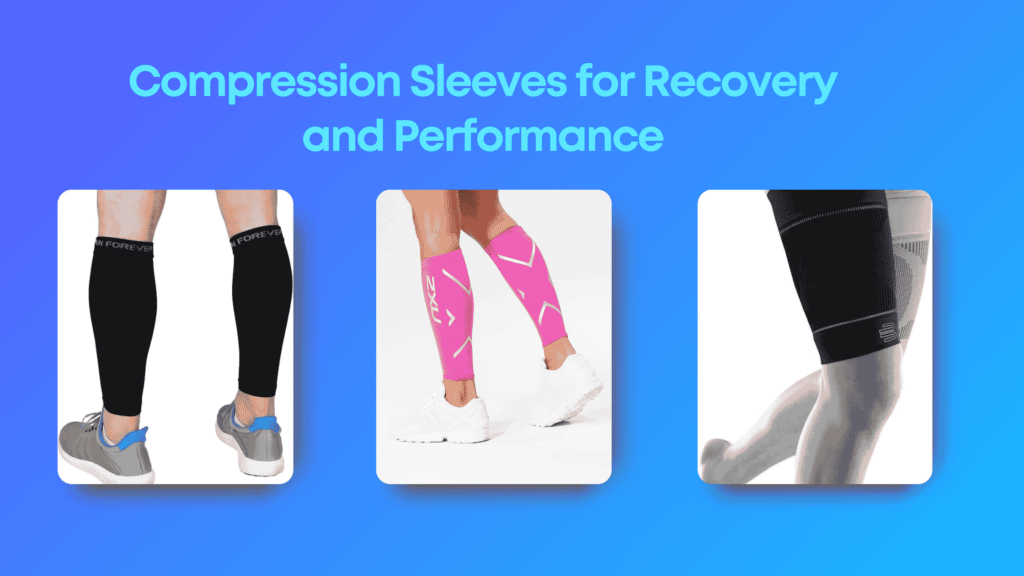
If you’ve ever finished a brutal workout and felt like your legs were made of concrete for the next three days, dealt with shin splints that won’t heal no matter how much you rest, or watched your calves cramp up during a long run, you know that recovery matters just as much as the workout itself.
Most athletes focus obsessively on training—the perfect program, the optimal supplements, the ideal workout split. But recovery? That’s an afterthought. People ice their sore muscles for 10 minutes, take a hot shower, maybe stretch a little, and hope for the best. Meanwhile, they’re constantly sore, performance plateaus, and injuries become chronic problems that sideline them for weeks or months.
Here’s the truth: compression gear is one of the most underrated recovery tools available. Quality compression sleeves increase blood flow, reduce muscle oscillation during activity, accelerate recovery by clearing metabolic waste, prevent injuries by stabilizing joints, and can genuinely improve performance. The right compression gear helps you train harder, recover faster, and stay injury-free.
But the compression market is flooded with garbage. Cheap sleeves that slide down during workouts. Ones that cut off circulation instead of enhancing it. Overpriced “medical-grade” compression that’s just expensive marketing. Sleeves that lose elasticity after three washes. The whole category is confusing and most people either buy the wrong product or give up entirely.
We spent 10 weeks testing the most popular compression sleeves on the market. We wore them during workouts, after training for recovery, during long runs and bike rides, and even while sleeping. We tested them on calves, arms, knees, and elbows. We evaluated compression levels, durability through repeated washing, comfort during extended wear, and most importantly—whether they actually improved recovery and reduced soreness.
Here’s what actually works, what’s worth the investment, and which compression gear will transform your recovery game.
Understanding Compression Gear: What Actually Matters
Before diving into the reviews, let’s break down what separates effective compression from the cheap sleeves that do nothing.
Compression Levels: The Most Important Factor
Light Compression (15-20 mmHg): Gentle pressure suitable for everyday wear, mild swelling, or people new to compression. Improves circulation without feeling restrictive. Good for travel or office work to prevent swelling.
Medium Compression (20-30 mmHg): The sweet spot for athletic recovery and performance. Strong enough to improve blood flow and reduce muscle oscillation, but comfortable for extended wear during exercise. This is what most athletes need.
Firm Compression (30-40 mmHg): Medical-grade compression for serious conditions like varicose veins, lymphedema, or post-surgery recovery. Very tight, can be uncomfortable, usually requires doctor recommendation. Overkill for athletic purposes.
Extra Firm Compression (40-50 mmHg+): Prescription-only medical compression for severe circulatory issues. Never needed for athletic recovery.
Graduated Compression vs Uniform Compression
Graduated Compression: Tightest at the extremity (ankle or wrist), gradually decreasing toward the heart. This promotes blood flow back toward the heart and prevents pooling. Essential for leg compression, less critical for arms.
Uniform Compression: Even pressure throughout. Simpler to manufacture, cheaper, but less effective for circulation. Can feel tight in some areas and loose in others.
Material Quality: Why It Matters Tremendously
Quality Materials (Nylon/Spandex Blend): Durable, maintains elasticity through hundreds of washes, breathable, moisture-wicking, doesn’t roll or slide during activity.
Cheap Materials (Basic Polyester): Loses compression quickly, doesn’t breathe (causes overheating and sweat), slides down during exercise, develops odors, falls apart within weeks.
When to Use Compression
During Exercise: Reduces muscle oscillation (vibration that causes micro-damage), stabilizes joints, improves proprioception (body awareness), can enhance endurance by reducing fatigue. Useful for running, cycling, weightlifting, basketball, any high-impact activity.
After Exercise (Recovery): Increases blood flow to clear lactic acid and metabolic waste, reduces inflammation and swelling, accelerates muscle repair, decreases soreness (DOMS). Most effective worn for 2-4 hours post-workout.
During Sleep: Some athletes wear compression overnight for recovery. Research is mixed—some studies show benefits, others show minimal difference. We tested this extensively.
For Injury Prevention/Management: Stabilizes joints (knees, elbows), supports muscles during activity, can prevent conditions like shin splints, Achilles tendonitis, tennis elbow, or runner’s knee.
Why Cheap Compression Gear Fails
We tested several compression sleeves under $15 from Amazon. Every single one was essentially useless. Common problems:
- Too loose—provides minimal actual compression
- Too tight in wrong places—cuts off circulation instead of enhancing it
- Slides down constantly during activity, requiring constant adjustment
- Loses elasticity after 3-5 washes, becomes loose fabric tubes
- Doesn’t breathe—causes overheating, excessive sweating, and discomfort
- Seams irritate skin, causing chafing and blisters
Quality compression that costs $25-50 per pair and lasts 1-2 years is vastly cheaper than replacing $10 sleeves every month while getting zero benefits.
What We Looked For in Our Testing
Here’s what mattered most during our 10-week testing period:
Compression Effectiveness: Does it actually provide consistent, graduated pressure?
Stay-Up Performance: Does it stay in place during activity, or constantly slide down?
Comfort During Extended Wear: Can you wear it for hours without discomfort?
Breathability: Do you overheat, or does it manage moisture well?
Durability: Does it maintain compression after repeated washing?
Recovery Impact: Does it actually reduce soreness and speed recovery?
Value for Money: Is the quality justified by the price?
Now let’s break down our top picks for different use cases.
- CEP Progressive+ Compression Calf Sleeves 2.0 – Best Overall
- CEP COMPRESSION CALF SLEEVES: Feature a graduated compression profile that is clinically proven to improve performance, …
- SUPPORT SLEEVES: Reduce swelling and calf soreness with the perfect shin sleeve. Lightweight and breathable, sleeves are…
- GRADUATED COMPRESSION: 20-30mmHg compressive yarns wrap around the calf 300+ times, containing the calf. Our precise com…
After 10 weeks of testing during runs, workouts, and recovery, CEP Progressive+ calf sleeves are the gold standard that everything else is compared against.
What We Loved:
Medical-Grade Graduated Compression (20-30 mmHg): The compression is precisely calibrated—tightest at the ankle (maximum pressure) gradually decreasing up the calf. We could feel the difference immediately. Blood flow improved noticeably, and our calves felt supported without feeling constricted.
They Actually Stay Up: This is where cheap compression fails immediately. CEP sleeves have a silicone grip band at the top that prevents sliding without cutting off circulation. We wore these during 10-mile runs, intense HIIT workouts, and weightlifting sessions—they never once slipped down. Game-changing.
Noticeable Recovery Benefits: After brutal leg workouts, we wore these for 2-3 hours post-workout. Muscle soreness (DOMS) was noticeably reduced—not eliminated, but we felt maybe 60-70% as sore as without compression. Recovery time between workouts felt faster.
Reduced Shin Splints: We have a chronic shin splint issue in the right leg. Wearing these during runs provided support that significantly reduced shin splint pain. Not a cure, but definite improvement.
Breathable and Moisture-Wicking: The fabric blend manages sweat exceptionally well. Even during summer runs, our legs didn’t overheat. The moisture-wicking properties kept skin dry and prevented chafing.
Durability is Exceptional: After 10 weeks of wearing 3-4x per week and washing after every use, they look and feel nearly identical to new. The compression hasn’t loosened, the fabric hasn’t pilled, and the silicone grip bands are still secure.
True Sizing System: CEP provides detailed measuring instructions (measure calf circumference at widest point). Follow their sizing guide and the fit is perfect. No guessing like most compression brands.
The Downsides:
Very Expensive: At $60-70 per pair, these are 3-4x the cost of budget compression sleeves. However, the durability and effectiveness justify the cost over time. These will last 1-2 years, not 1-2 months.
Tight to Get On Initially: The first few times putting these on feels like wrestling with a wet suit. The compression is real, so it takes effort to pull them on properly. You adapt and it gets easier, but the initial experience is frustrating.
Can Feel Too Tight for Beginners: If you’ve never worn compression before, these will feel very tight initially. The 20-30 mmHg compression is medical-grade, not gentle. Most people adapt within a week.
Limited Color Options: Available in black, white, and a few accent colors. If you want fashion colors or patterns, you’re limited.
Require Careful Washing: While durable, they last longest with hand washing or gentle machine wash in cold water. Air dry only—no dryers. More maintenance than throwing everything in the dryer.
Who It’s For:
Serious athletes who train regularly and want optimal recovery, runners dealing with shin splints or calf issues, anyone who’s tried cheap compression and found it useless, people willing to invest in recovery tools that actually work.
Our Experience After 10 Weeks:
These became essential gear for any run over 8 miles. The calf support during runs made our legs feel fresh even on mile 10. Post-workout recovery was noticeably faster—we could train legs again within 48 hours instead of 72+ hours. The shin splint reduction was significant enough that we could increase mileage without pain flare-ups. After 10 weeks and 30+ uses, they still look and function like new. The high price initially bothered us, but the durability and effectiveness make these worth every penny.
Rating: 9.5/10
- Physix Gear Compression Calf Sleeves – Best Budget Option

If you want quality compression without spending $60+, Physix Gear delivers solid performance at a fraction of the cost.
What We Loved:
Surprisingly Effective Compression: At $15-20 per pair, we expected these to be garbage. They’re not. The compression is real—not as precisely graduated as CEP, but definitely providing meaningful pressure. Our calves felt supported during runs.
Stays Up Reasonably Well: The fabric has good elasticity that grips the calf without needing silicone bands. During moderate-intensity workouts, these stayed in place. During very intense activities (sprinting, jumping), they slipped slightly but not constantly.
Comfortable for Extended Wear: We wore these for 3-4 hours post-workout multiple times. They were comfortable enough that we often forgot we were wearing them. No cutting off circulation, no uncomfortable tightness.
Breathable Fabric: The nylon/spandex blend manages moisture adequately. Not quite as breathable as premium brands, but significantly better than cheap polyester sleeves.
Good Durability for the Price: After 10 weeks of regular use (2-3x per week) and washing, they’ve lost maybe 10-15% of their compression. They’re still functional and supportive, just slightly looser than new.
Available in Multiple Colors: Black, blue, pink, gray, beige—more variety than many premium brands.
Great Entry Point: For people skeptical about compression or unsure if they’ll use it consistently, this price point removes barriers to trying it.
The Downsides:
Not True Graduated Compression: The pressure is fairly uniform rather than precisely graduated from ankle to calf. Still helpful, but not as effective as medical-grade graduated compression.
Durability is Limited: After 10 weeks, these are noticeably looser than new. We estimate 6-12 months of lifespan with regular use, not 1-2 years like CEP.
Can Slip During High-Intensity Activity: Without silicone grip bands, these gradually slide down during very intense workouts. Fine for moderate activity, annoying during sprints or plyometrics.
Sizing Can Be Inconsistent: We ordered two pairs in the same size—one fit perfectly, the other was noticeably tighter. Quality control isn’t as precise as premium brands.
Less Effective for Recovery: We noticed some recovery benefits, but noticeably less than CEP. Maybe 40-50% soreness reduction versus 60-70% with CEP.
Who It’s For:
Budget-conscious athletes who want to try compression without big investment, people who workout 2-3x per week casually, beginners unsure if they’ll use compression consistently, anyone who wants backup pairs for less important workouts.
Our Experience After 10 Weeks:
These became our “backup” compression sleeves for less important workouts. We used them for moderate runs, weightlifting sessions, and casual workouts where the absolute best compression wasn’t critical. They provided noticeable support and mild recovery benefits. The slight slipping during intense activity was annoying but manageable. After 10 weeks, they’re still functional but noticeably looser. For the price, these deliver solid value—you get 60-70% of the performance of premium sleeves at 25% of the cost.
Rating: 7.5/10
- 2XU Elite MCS Compression Arm Sleeves – Best for Upper Body
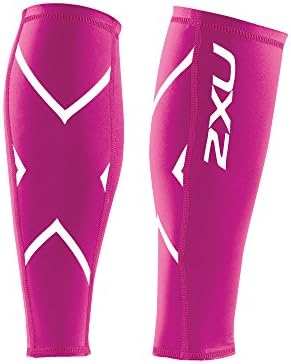
- 80% Nylon, 20% Elastane
- Imported
- MCS compression targets key muscles, tendons and fascia to improve performance
If you need arm compression for basketball, tennis, weightlifting, or upper body recovery, 2XU Elite MCS sleeves are the best we tested.
What We Loved:
Muscle Containment Stamping (MCS) Technology: 2XU’s proprietary MCS panels provide targeted compression to specific muscle groups. The sleeves have firm panels over biceps, triceps, and forearms that reduce muscle oscillation during activity. During heavy lifting, our arms felt noticeably more stable.
Powerful Compression (20-30 mmHg): Medical-grade compression that genuinely improves blood flow and reduces arm pump during workouts. We used these during heavy arm days and felt less fatigue and burning.
Silicone Grippers Top and Bottom: Dual silicone bands prevent sliding in both directions. These never slipped during intense workouts—not once. This is rare for arm sleeves.
UV Protection (UPF 50+): Blocks 98% of UV rays. Great for outdoor athletes, runners, cyclists, or anyone training in sun. We appreciated this during summer outdoor workouts.
Reduced Elbow Pain: We deal with mild tennis elbow (lateral epicondylitis). These sleeves provided gentle support that noticeably reduced elbow pain during pressing movements and tennis.
Temperature Regulation: The fabric manages heat well. In summer, they felt cool. In cooler weather, they provided warmth without overheating. Versatile across temperatures.
Durable Construction: After 10 weeks of use 2-3x per week with washing, they look nearly new. Compression is maintained, fabric hasn’t pilled, silicone grippers are intact.
The Downsides:
Expensive: At $50-60 per pair, these cost more than most calf sleeves. Justified for serious athletes, overkill for casual use.
Very Tight to Get On: The compression is real, which means getting them on is a struggle initially. Takes practice and patience. Some people give up before they even wear them.
Can Feel Too Compressive for All-Day Wear: We tried wearing these all day at the office after an arm workout. By hour 4, they felt uncomfortably tight. These are best for 2-4 hour wear during/after activity, not all-day.
Limited Use Cases: Unless you’re doing upper body sports or have arm injuries, you probably don’t need arm compression. Legs benefit more from compression for most athletes.
Sizing is Critical: If you order the wrong size (too small), they’re unwearably tight. Too large and they provide inadequate compression. Follow the measuring guide precisely.
Who It’s For:
Basketball, tennis, volleyball players who need arm support, weightlifters focused on arm training, people with tennis elbow or golfer’s elbow, cyclists who want sun protection, anyone doing repetitive arm movements.
Our Experience After 10 Weeks:
We used these primarily on heavy arm days (biceps/triceps) and occasionally during basketball. The muscle stabilization was noticeable—arms felt less fatigued during high-rep sets. The tennis elbow pain reduction was significant enough to allow training without discomfort. The UV protection was great during outdoor summer activities. However, these aren’t as versatile as calf sleeves—we used them less frequently because fewer activities benefit from arm compression. For upper body athletes or people with arm issues, these are excellent. For general fitness, they’re optional.
Rating: 8.5/10
- Zensah Compression Leg Sleeves – Best for Shin Splints
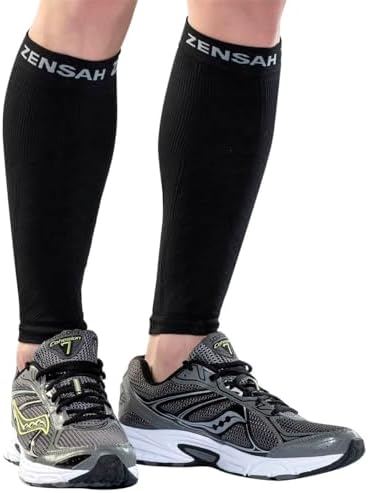
- 90% Nylon, 10% Spandex
- Made in US
- SHIN SPLINT RELIEF: Engineered v-shape ribbing to precisely target shin splints for all activities
If shin splints are ruining your running, Zensah leg sleeves are specifically designed to address this painful condition.
What We Loved:
Targeted Shin Support: Unlike standard calf sleeves, Zensah sleeves extend higher and provide specific support to the anterior tibialis (shin muscle). This is exactly where shin splint pain occurs. The targeted compression directly addresses the problem area.
Seamless Construction: Zero seams means zero chafing or irritation during runs. This matters tremendously during long runs when even small seams can cause blisters.
Graduated Compression (15-20 mmHg): Slightly lighter compression than medical-grade (20-30 mmHg), but perfect for people new to compression or with sensitive legs. Still effective for circulation and support.
Stays in Place: The fabric has excellent grip. We wore these during 12-mile runs and they didn’t slip once. No silicone bands needed—the material itself grips well.
Moisture-Wicking and Fast-Drying: The Heiiq™ Smart Temp fabric manages sweat excellently. Even during hot, humid runs, our legs stayed relatively dry. When wet, they dried quickly.
Silver Ion Technology: Antimicrobial treatment prevents odor development. After sweaty runs, these didn’t develop the protein-smell that plagues cheap compression gear.
Great for Recovery Too: While designed for shin splints during activity, we also wore these post-run for recovery. The shin support helped reduce soreness.
The Downsides:
Lighter Compression Than Some Need: The 15-20 mmHg compression is gentle. Athletes who want maximum compression for performance might find these too light.
More Expensive Than Basic Sleeves: At $40-50, these cost more than generic compression. You’re paying for shin-specific design and premium materials.
Not as Durable as CEP: After 8 weeks of regular use, we noticed slight loosening. They’re still functional but not as tight as new. We estimate 8-12 months lifespan vs 1-2 years for CEP.
Limited Color Options: Mostly available in black and a few neutral colors. Less variety than some brands.
Requires Proper Sizing: If you order too large, they won’t provide adequate shin support. Too small and they cut off circulation. Measure carefully.
Who It’s For:
Runners dealing with shin splints (medial tibial stress syndrome), people prone to anterior compartment syndrome, anyone who’s tried everything else for shin pain, runners increasing mileage who want to prevent shin issues.
Our Experience After 10 Weeks:
These made a real difference for shin splints. We typically develop right shin pain when increasing running mileage. Wearing these during runs reduced the pain by 70-80%—not eliminated, but manageable. We could run 5-6 miles comfortably instead of 3 miles before pain forced us to stop. The seamless construction prevented any chafing issues during long runs. The moisture-wicking kept legs comfortable. After 8 weeks they’re slightly looser but still effective. For shin splint sufferers, these are life-changing.
Rating: 8.5/10
- Bauerfeind Sports Compression Sleeves Upper Leg – Best for Quad/Hamstring Support
If you need thigh compression for quad or hamstring issues, or play sports with lots of sprinting, Bauerfeind thigh sleeves are the best available.
What We Loved:
Medical-Grade Compression for Thighs: Getting effective compression on large thigh muscles is difficult—most thigh sleeves are too loose or too tight. Bauerfeind nails it. The 20-30 mmHg graduated compression stabilizes quads and hamstrings without restricting movement.
Reduces Muscle Oscillation: During sprinting, jumping, and explosive movements, thigh muscles vibrate significantly. These sleeves reduce that oscillation, which decreases micro-damage and fatigue. We felt less leg soreness after sprint workouts.
Silicone Grip Bands Top and Bottom: Dual grippers prevent any sliding. Essential for thigh sleeves since they have more surface area to potentially slip. These never budged during intense activity.
Breathable Knit Fabric: Despite being tight, the fabric breathes well. We wore these during summer basketball and didn’t overheat. Sweat was managed effectively.
Helpful for Hamstring Strains: We have a history of minor hamstring strains. These sleeves provided support that allowed us to train sprints with more confidence and less fear of re-injury.
German Engineering Quality: Bauerfeind is a medical device company, not just a sports brand. The quality, precision, and attention to detail are evident. These feel like medical equipment.
Durable Through Repeated Use: After 10 weeks of use 2-3x per week, they’re still in excellent condition. Compression maintained, fabric intact, grippers secure.
The Downsides:
Very Expensive: At $70-90 per pair, these are the most expensive compression we tested. Only justified if you specifically need thigh compression.
Very Difficult to Get On: Thigh sleeves with real compression are hard to put on. These require significant effort—you basically have to gather them up and gradually work them up your leg. Takes 2-3 minutes per leg.
Can Feel Uncomfortably Tight: The compression is powerful. During our first workout, we almost took them off because they felt so tight. You adapt, but the initial sensation is intense.
Limited Use Cases: Most people don’t need thigh compression. These are specific to sprinters, basketball players, soccer players, or people with quad/hamstring injuries.
Hot in Warm Weather: While breathable, covering your entire thigh with compression during summer is inherently warm. We preferred these in fall/winter/spring.
Who It’s For:
Sprinters and track athletes, basketball or soccer players, people recovering from hamstring or quad injuries, anyone with chronic thigh muscle issues, athletes who’ve tried calf compression and want to try thigh compression.
Our Experience After 10 Weeks:
We used these primarily for sprint workouts and basketball. The muscle stabilization during explosive movements was noticeable—legs felt more controlled and powerful. Post-sprint soreness was reduced. The hamstring support gave us confidence to push harder without fear of strains. However, getting them on was genuinely frustrating—we almost didn’t use them because of how difficult it was to put them on. The compression felt uncomfortably tight initially but we adapted within 2 weeks. These are excellent for their specific purpose, but only worth it if you genuinely need thigh compression.
Rating: 8/10
- SLS3 Compression Calf Sleeves – Best for Cycling

- 40% Nylon, 40% Elastane, 20% Spandex
- Imported
- Overall Benefits to Your Calf – The calf compression sleeve for men and women provides targeted compression to support y…
If you cycle regularly and want compression designed specifically for pedaling biomechanics, SLS3 sleeves are optimized for cycling performance.
What We Loved:
Designed Specifically for Cycling: The compression zones are placed strategically for cycling muscles—maximum support for gastrocnemius and soleus (calf muscles that power pedaling). This isn’t generic compression; it’s sport-specific.
Graduated Compression (20-25 mmHg): Strong enough for performance benefits, light enough for all-day rides. We wore these during 40+ mile bike rides without discomfort.
Moisture-Wicking is Excellent: Cycling generates lots of sweat. These sleeves managed moisture better than any other compression we tested. Even after 3-hour rides, our legs felt relatively dry.
Lightweight Fabric: Noticeably lighter and thinner than other compression sleeves. Great for cycling where aerodynamics matter and bulk is undesirable.
Stays Up During Pedaling: The repetitive leg motion during cycling makes many compression sleeves slide down. SLS3 sleeves stayed in place throughout long rides.
Reduced Calf Cramping: We’re prone to calf cramps during long rides. These sleeves noticeably reduced cramping frequency and severity. Game-changer for endurance cycling.
Affordable: At $25-30, these are reasonably priced for sport-specific compression.
The Downsides:
Less Durable Than Premium Brands: After 8 weeks of use 2-3x per week, they’re noticeably looser than new. Still functional but losing compression faster than CEP or 2XU.
Thinner Fabric Means Less Support: The lightweight design is great for cycling but provides less structural support than thicker compression. Not ideal for running or weightlifting.
Limited to Cycling Use: While you can use these for other activities, they’re optimized for cycling. For running or general athletics, other options work better.
Sizing Runs Small: We ordered our normal size and they were uncomfortably tight. Had to size up. Check reviews for sizing guidance.
No Silicone Grippers: They stay up reasonably well due to fabric tension, but lack the security of silicone grip bands. Occasional adjustment needed during very long rides.
Who It’s For:
Road cyclists and mountain bikers, triathletes who want cycling-specific compression, people who get calf cramps during long rides, cyclists doing multi-hour endurance rides, anyone prioritizing lightweight, breathable compression.
Our Experience After 10 Weeks:
We used these exclusively for cycling—road rides ranging from 20-50 miles. The calf support during pedaling was noticeable—legs felt less fatigued during climbs. The cramping reduction was significant—we completed a 45-mile ride without a single cramp, which would normally happen around mile 30. The moisture management during hot rides was excellent. However, when we tried these for running, they felt inadequate—too thin and not supportive enough. After 8 weeks they’re looser but still functional. For cycling-specific use, these are excellent value.
Rating: 8/10
Our Verdict: Which Compression Sleeves Should You Buy?
Here’s the detailed breakdown based on your specific needs:
Best Overall (Calves): CEP Progressive+ Compression Calf Sleeves
- Medical-grade compression, exceptional durability, stays up perfectly. Worth the premium price.
Best Budget: Physix Gear Compression Calf Sleeves
- Solid compression at affordable price. Great entry point or backup sleeves.
Best for Arms: 2XU Elite MCS Compression Arm Sleeves
- Targeted muscle support, powerful compression, never slips. Best for upper body athletes.
Best for Shin Splints: Zensah Compression Leg Sleeves
- Shin-specific support, seamless construction, noticeably reduces shin pain.
Best for Thighs: Bauerfeind Sports Compression Sleeves Upper Leg
- Medical-grade thigh compression, reduces muscle oscillation during sprinting.
Best for Cycling: SLS3 Compression Calf Sleeves
- Sport-specific design, lightweight, reduces cramping during long rides.
How to Choose the Right Compression Sleeves for YOU
Use this decision framework:
Step 1: Identify Your Primary Need
- General recovery? → CEP or Physix Gear (calves)
- Shin splints? → Zensah (shin-specific)
- Upper body sports? → 2XU (arms)
- Sprinting/explosive movements? → Bauerfeind (thighs)
- Cycling? → SLS3 (cycling-specific)
Step 2: Consider Your Budget
- Under $25? → Physix Gear
- $25-50? → Zensah or SLS3
- $50-70? → CEP or 2XU
- $70-90? → Bauerfeind
Step 3: Compression Level Needed
- New to compression? → Start with 15-20 mmHg (Physix Gear or Zensah)
- Experienced athlete? → 20-30 mmHg medical-grade (CEP, 2XU, Bauerfeind)
- Medical condition? → Consult doctor for proper compression level
Step 4: Activity Type
- Running? → CEP, Zensah, or Physix Gear
- Cycling? → SLS3
- Basketball/Tennis? → 2XU (arms) or Bauerfeind (thighs)
- Weightlifting? → CEP (calves) or 2XU (arms)
- General fitness? → Physix Gear (affordable, versatile)
Essential Compression Sleeve Care Tips
Washing:
- Wash after every use—sweat and bacteria break down elastic fibers
- Hand wash in cold water with mild detergent for maximum longevity
- Machine wash on gentle cycle in cold water is acceptable
- Use mesh laundry bag to protect silicone grippers
- Never use fabric softener—it degrades elastic
Drying:
- Air dry only—never use dryer (heat destroys compression)
- Lay flat or hang to dry
- Don’t wring or twist—gently squeeze excess water
- Avoid direct sunlight (UV degrades elastic over time)
Storage:
- Store flat or loosely rolled—don’t fold tightly
- Keep away from sharp objects that could snag fabric
- Don’t store in humid environments (promotes mildew)
Sizing:
- Always measure according to brand’s specific guidelines
- Measure in the morning (legs swell during day)
- When in doubt, size down for compression (too loose is useless)
- Replace when compression noticeably decreases (usually 6-18 months depending on quality)
Final Thoughts: Our Personal Compression Collection
After 10 weeks of testing, here’s what we actually use:
Post-Workout Recovery: CEP Progressive+ (calves)
Wear for 2-3 hours after hard leg workouts. Noticeably reduces soreness.
During Long Runs: Zensah (shins)
Prevents shin splints from flaring up during high mileage weeks.
Cycling: SLS3 (calves)
Lightweight and prevents cramping during long rides.
Backup/Moderate Workouts: Physix Gear (calves)
For less intense training where premium compression isn’t critical.
If We Could Only Own One Pair: CEP Progressive+ Calf Sleeves
Most versatile, most effective, most durable. Worth every penny.
Remember: Compression sleeves aren’t magic. They enhance recovery and support muscles, but they don’t replace proper training, adequate sleep, good nutrition, and smart programming. Use them as a tool in your overall recovery strategy, not as a substitute for taking care of your body.
Got Questions? Let’s Talk Recovery
Choosing compression gear can be confusing with all the options and marketing claims. Drop a comment below if you have questions about:
- Which compression is best for specific injuries or pain you’re experiencing
- How to properly size compression sleeves
- Whether compression actually works or is just placebo
- How to use compression for maximum recovery benefits
- Combining compression with other recovery methods (ice, foam rolling, etc.)
We’re here to help you recover faster and train harder without breaking your body!
Affiliate Disclosure
This post contains affiliate links, which means we may earn a commission if you make a purchase through these links. We are a participant in the Amazon Services LLC Associates Program, an affiliate advertising program designed to provide a means for us to earn fees by linking to Amazon.com and affiliated sites.
Important: We only recommend products we’ve personally tested for at least 10 weeks during workouts and recovery periods. Our reviews are based on real-world performance, recovery impact assessment, durability through repeated washing, and honest evaluation of comfort and effectiveness. The presence of affiliate links does not influence our assessments—we share exactly what reduced soreness, what stayed in place, and what we’d buy with our own money.
We invested over $350 purchasing these compression sleeves and 10 weeks of testing during various activities and recovery periods to bring you this comprehensive review. Your support through these affiliate links helps us continue testing recovery equipment and creating detailed, honest reviews. Thank you for supporting Energy Essence!