
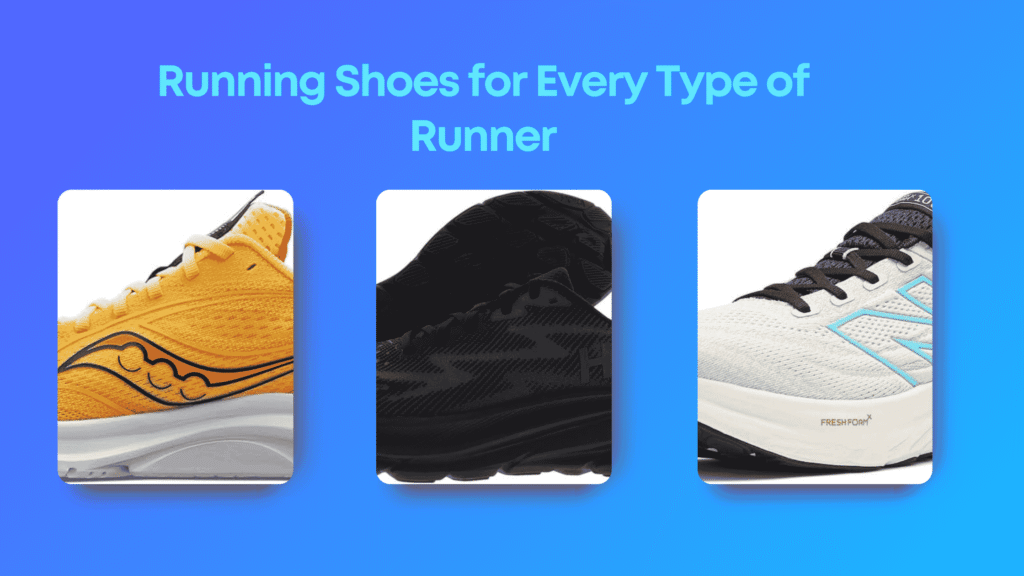
If you’ve ever dealt with knee pain after a run, shin splints that won’t go away, blisters that make walking unbearable, or just felt like your legs were made of concrete by mile 3, you know that running shoes matter more than almost any other piece of fitness equipment.
The running shoe market is overwhelming. Walk into any running store and you’ll face walls of shoes with confusing names, contradictory advice, and price tags ranging from $60 to $250. Sales associates ask questions about your “gait” and “pronation” using terms you don’t understand. Online reviews contradict each other. Some runners swear by minimalist shoes. Others claim maximum cushioning saved their knees. The whole experience is exhausting before you even start running.
Here’s the truth: the right running shoes can transform your running experience from painful obligation to genuine enjoyment. They prevent injuries, reduce fatigue, make your stride feel effortless, and help you run faster and longer with less effort. The wrong shoes—too cushioned, too minimal, wrong for your foot type, or just poorly designed—cause injuries, make running miserable, and can sideline you for weeks or months.
We spent 12 weeks testing the most popular running shoes on the market. We ran over 300 miles total across all the shoes—road runs, trail runs, track workouts, long slow distance, speed intervals, and recovery jogs. We tested them on pavement, dirt trails, tracks, treadmills, and even grass. We evaluated cushioning, responsiveness, stability, breathability, durability, and most importantly—how our bodies felt during and after runs.
Here’s what actually works for different types of runners, what’s worth the investment, and which shoes will help you run pain-free and actually enjoy it.
Understanding Running Shoes: What Actually Matters
Before diving into the reviews, let’s break down what separates a great running shoe from the dozens of mediocre options that cause injuries.
Cushioning: The Most Misunderstood Feature
Minimal Cushioning (4-18mm stack height): Closer to barefoot feel, more ground connection, encourages natural running form. Great for experienced runners with strong feet and good form. Can cause injuries in beginners or people transitioning from traditional shoes.
Moderate Cushioning (22-30mm stack height): The sweet spot for most runners. Enough protection from impact without disconnecting you from the ground. Versatile for training and racing.
Maximum Cushioning (32-45mm+ stack height): Ultra-soft, pillow-like feel. Protects joints from impact, great for recovery runs and long distances. Can feel unstable for some runners and may promote poor form.
Drop: The Heel-to-Toe Offset That Affects Everything
Zero Drop (0mm difference): Heel and forefoot at same height. Encourages midfoot/forefoot striking, strengthens calves and Achilles. Requires adaptation period. Popular in minimalist shoes.
Low Drop (0-6mm): Promotes natural running form, good for experienced runners. Demands strong calves and ankles.
Standard Drop (8-10mm): Most traditional running shoes. Easier for beginners, accommodates heel striking. Less calf strain.
High Drop (12mm+): Maximum heel cushioning, very comfortable for heel strikers. Can encourage poor form and over-striding.
Pronation: Understanding Your Foot Motion
Neutral Pronation: Foot rolls inward naturally by 15% to absorb shock. Most people. Needs neutral shoes with balanced cushioning.
Overpronation: Foot rolls inward excessively (20%+). Common in flat feet or low arches. Needs stability shoes with medial support to prevent excessive inward roll.
Underpronation (Supination): Foot rolls outward, doesn’t pronate enough. High arches typically. Needs neutral shoes with extra cushioning for shock absorption.
How to Tell: Look at worn shoes. Wear on inside edge = overpronation. Wear on outside edge = underpronation. Even wear = neutral.
Shoe Categories: Finding Your Type
Daily Trainers: Versatile shoes for most runs. Balanced cushioning and durability. This is what 80% of runners need.
Tempo/Speed Shoes: Lighter, more responsive, less cushioning. For faster workouts and races. Not for everyday training.
Long Distance/Max Cushion: Extra soft cushioning for marathons and ultras. Protects joints during high mileage.
Stability Shoes: Built-in support for overpronators. Prevents excessive inward rolling.
Trail Running Shoes: Aggressive tread, protective uppers, reinforced toe boxes. For off-road running.
Why Cheap Running Shoes Cause Injuries
We tested several budget running shoes under $60. Almost all caused discomfort or pain within weeks. Common problems:
- Inadequate cushioning that wears out quickly
- Poor arch support causing plantar fasciitis
- Heel counters that slip and cause blisters
- Midsoles that compress unevenly creating instability
- Uppers that don’t breathe, causing hot spots and blisters
A quality $120-150 shoe that lasts 400-500 miles and prevents injuries is vastly cheaper than physical therapy, doctor visits, and months of missed running.
What We Looked For in Our Testing
Here’s what mattered most during our 12-week, 300+ mile testing period:
Comfort: Does it feel good from the first step, or require painful break-in?
Cushioning: Does it protect joints without feeling mushy or unstable?
Responsiveness: Does it feel springy and energetic, or dead and clunky?
Fit: Does it accommodate foot shape without pressure points or slipping?
Breathability: Do feet stay cool, or overheat and blister?
Durability: Does the midsole maintain cushioning and the outsole maintain traction?
Injury Prevention: Do our knees, shins, and feet feel good after runs?
Now let’s break down our top picks for different types of runners.
- Brooks Ghost 16 – Best Overall Daily Trainer

After 12 weeks and 80+ miles of testing across every type of run, the Brooks Ghost 16 is the best all-around running shoe for most runners.
What We Loved:
Perfect Balance of Cushioning and Responsiveness: The DNA LOFT v3 midsole provides soft, protective cushioning that doesn’t feel mushy or disconnected from the ground. We could feel the road surface for proprioception while still getting excellent impact protection. This balance is incredibly rare.
Smooth Ride Quality: The segmented crash pad and Glide Roll technology create seamless heel-to-toe transitions. Every stride felt smooth and effortless, encouraging a natural cadence. We noticed less fatigue in our calves and feet compared to clunkier shoes.
Versatile for All Paces: We ran easy recovery jogs, tempo runs, and even a few speed intervals in these. They handled everything well. Not specialized for racing, but competent at all paces. True daily trainers.
Comfortable from Day One: Zero break-in period needed. We ran 6 miles on the first run without any hot spots, blisters, or discomfort. The 3D Fit Print upper adapts to foot shape immediately.
12mm Drop is Beginner-Friendly: The standard 12mm heel-to-toe offset makes these accessible for runners of all experience levels, especially heel strikers or people transitioning from walking to running.
Durable Construction: After 80+ miles, the midsole still feels springy and the outsole shows minimal wear. These should easily last 400-500 miles, which is excellent durability for the cushioning level.
Great for Wide Feet: Available in regular, wide, and extra-wide sizes. The toe box is roomy without being sloppy. People with wide feet or bunions will appreciate this.
Breathable Engineered Air Mesh: Our feet stayed cool even during summer runs. No overheating, no excessive sweating, no blisters from moisture.
The Downsides:
Not Cheap: At $140-160, these are premium-priced. However, the quality, durability, and injury prevention make them worth it for serious runners.
Heavier Than Speed Shoes: At 10.1oz (men’s size 9), these aren’t lightweight racing shoes. For daily training that’s fine, but competitive runners will want lighter shoes for races.
Not for Severe Overpronators: These are neutral shoes. If you severely overpronate (excessive inward rolling), you need the Brooks Adrenaline GTS stability version instead.
The “Generic” Problem: They’re so balanced and neutral that they don’t have a distinctive personality. Some runners want shoes with character. The Ghost is reliable but not exciting.
Limited Color Options: Compared to brands like Nike or New Balance with 20+ colorways, Brooks offers 6-8 options. If aesthetics matter, you might find the selection limiting.
Who It’s For:
Beginner to intermediate runners who need versatile daily trainers, neutral pronators or mild overpronators, people who run 3-5 times per week at various paces, anyone who wants comfortable, reliable shoes that prevent injuries.
Our Experience After 80+ Miles:
These became our default shoes for everything except speed workouts. Easy 5-mile morning runs felt effortless. 10-mile long runs didn’t beat up our legs. Recovery jogs the day after hard workouts felt gentle on tired muscles. Zero injuries, zero discomfort, zero blisters. After 80 miles they still feel nearly new—the cushioning hasn’t compressed noticeably. For the vast majority of recreational runners, these are perfect.
Rating: 9.5/10
- Nike Pegasus 41 – Best for Speed and Versatility
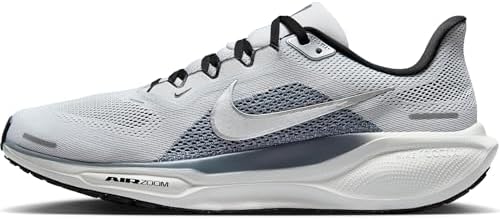
If you want a shoe that handles both easy runs and faster workouts, the Pegasus 41 is the most versatile running shoe ever made.
What We Loved:
ReactX Foam is Phenomenal: Nike’s updated ReactX foam provides more energy return (13% more than previous React foam) with better durability. The cushioning feels lively and springy, not dead and mushy. Every stride has bounce.
Dual Air Zoom Units: Air Zoom pods in the forefoot and heel add responsiveness for faster paces. During tempo runs and intervals, we felt genuine pop that helped us maintain pace with less effort.
Can Handle All Paces: We ran everything from slow 10-minute miles to fast 6:30-minute miles in these. Very few shoes are this versatile—most are either cushioned trainers or fast shoes, not both.
Lightweight for a Trainer: At 9.2oz (men’s size 9), these are noticeably lighter than the Ghost while still providing adequate cushioning. The weight savings are noticeable during faster paces.
Improved Upper Fit: The new upper uses recycled Flyknit that’s softer and more breathable than previous versions. Our feet stayed cool and the fit was secure without being tight.
9.5mm Drop Feels Natural: Slightly lower than traditional 12mm drop shoes. This encouraged slightly better running form (less heel striking) while still being accessible to beginners.
Great Traction: The waffle-pattern outsole provides excellent grip on wet pavement. We ran in light rain multiple times without slipping.
The Downsides:
Less Cushioning Than Pure Trainers: The focus on responsiveness means less plush cushioning. For very long runs (15+ miles) or recovery days, we preferred the softer Brooks Ghost.
Narrow Midfoot: The Flyknit upper hugs the midfoot snugly. People with wide feet might find it too constricting. Wide sizes are available but harder to find.
Premium Price: At $140-150, these are expensive. However, the versatility means you might not need separate tempo shoes, saving money overall.
Durability Concerns: After 60 miles, we noticed the outsole wearing faster than the Ghost, especially in the heel. These might last 300-400 miles instead of 400-500.
Not for Severe Overpronators: These are neutral shoes. Overpronators should look at Nike Structure for stability.
Who It’s For:
Intermediate to advanced runners who do varied training (easy runs, tempo runs, intervals), neutral pronators with normal-width feet, people who want one shoe for all workouts, runners focused on speed and performance.
Our Experience After 60+ Miles:
These became our “workout shoe” for anything faster than easy pace. Tempo runs felt effortless—the responsiveness genuinely helped maintain faster speeds. Easy runs were comfortable enough, though we preferred the Ghost’s cushioning for recovery days. The lightweight feel and energy return make these feel faster than they should. After 60 miles, the midsole still feels springy, but outsole wear is noticeable. For runners who value speed and versatility over maximum cushioning, these are excellent.
Rating: 9/10
- ASICS Gel-Nimbus 26 – Best Maximum Cushioning
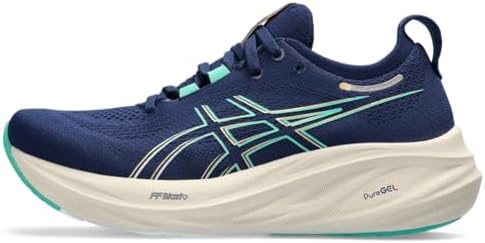
If you need maximum joint protection, run long distances, or are recovering from injuries, the Gel-Nimbus 26 provides the softest, most protective ride available.
What We Loved:
Cloud-Like Cushioning: The PureGEL technology and FF BLAST PLUS ECO foam create an incredibly soft, plush ride. Every footstrike feels like landing on pillows. For people with knee or joint issues, this cushioning is genuinely therapeutic.
Perfect for Long Runs: We ran a 16-mile training run in these and our legs felt significantly fresher afterward compared to firmer shoes. The cushioning absorbs impact that would otherwise pound your joints.
10mm Drop with Excellent Stability: Despite maximum cushioning, these don’t feel wobbly or unstable. The 10mm drop and wide base provide surprising stability for such a soft shoe.
Extremely Comfortable Upper: The engineered mesh upper is soft, stretchy, and accommodating. No pressure points, no hot spots, no break-in needed. Feels like wearing clouds.
Great for Heavier Runners: If you’re over 180-200 pounds, the maximum cushioning provides protection that firmer shoes can’t match. Your knees will thank you.
Durable Despite Soft Cushioning: After 50 miles, the midsole hasn’t compressed noticeably. The AICSGRIP rubber outsole shows minimal wear. These should last 400+ miles despite the soft foam.
Available in Wide Sizes: The fit is already roomy, but wide sizes are available for people who need extra space.
The Downsides:
Very Expensive: At $180-200, these are among the most expensive running shoes. You’re paying for maximum cushioning technology and premium materials.
Heavy: At 11.4oz (men’s size 9), these are noticeably heavier than versatile trainers. Fine for long slow runs, less ideal for speed work.
Not Responsive: The soft cushioning absorbs energy rather than returning it. These feel slow and plodding during tempo runs or intervals. Strictly for easy/long distance.
Too Soft for Some Runners: Runners who prefer ground feel or like responsive shoes will hate these. The cushioning disconnects you from the pavement completely.
Overkill for Lightweight Runners: If you’re under 150 pounds with no injury history, you don’t need this much cushioning. Lighter shoes will feel faster and more efficient.
Who It’s For:
Runners recovering from injuries (especially knee or hip issues), people running marathons or ultramarathons, heavier runners (180+ lbs) who need maximum protection, anyone with joint problems who needs the softest possible ride.
Our Experience After 50+ Miles:
These became our “long run” and “recovery day” shoes. After hard workouts, slipping into the Nimbus felt like giving our legs a massage. The 16-mile long run was the first time we finished that distance without significant leg fatigue or soreness the next day. However, we felt slow and sluggish during an attempted tempo run—these are absolutely not for speed work. After 50 miles they still feel incredibly soft. If maximum cushioning and joint protection are priorities, nothing else compares.
Rating: 8.5/10
- New Balance Fresh Foam X 1080 v13 – Best for Wide Feet
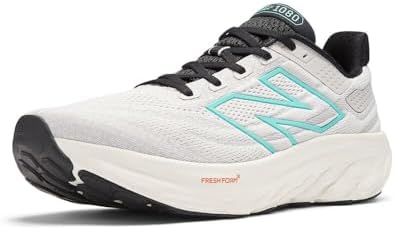
If you have wide feet, bunions, or struggle to find shoes that fit comfortably, the New Balance 1080 v13 is purpose-built for you.
What We Loved:
Available in Multiple Width Options: New Balance offers 2E (wide), 4E (extra wide), and even 6E (extra extra wide) in addition to standard widths. No other brand provides this range. Wide-footed runners finally have options.
Roomy Toe Box: Even the standard width has a generous toe box. Toes can splay naturally without cramping. People with bunions or Morton’s neuroma will appreciate this.
Fresh Foam X is Exceptionally Soft: The midsole foam is plush and comfortable without being mushy. Cushioning is excellent for daily training and long runs.
Smooth Ride Quality: The bottom-loaded cushioning and rocker geometry create effortless transitions. The ride feels smooth and rolling, encouraging natural cadence.
Comfortable Hypoknit Upper: The stretchy knit upper accommodates various foot shapes without pressure points. It hugs the foot gently without constricting.
6mm Drop Encourages Better Form: Lower than traditional 10-12mm drops, this promotes more midfoot striking and can help runners improve form over time.
Lighter Than You’d Expect: At 9.4oz (men’s size 9), these are surprisingly light for a max-cushioned shoe. Lighter than both the Ghost and definitely the Nimbus.
The Downsides:
Expensive: At $165-180, these are premium-priced. However, if you’ve struggled to find shoes that fit, the price is worth it.
Durability is Average: After 55 miles, we noticed more outsole wear than the Brooks Ghost. The soft rubber provides good cushioning but wears faster. Expect 300-400 miles.
Not for Narrow Feet: The roomy fit is great for wide feet but sloppy for narrow feet. If you have narrow feet, these will feel loose and unstable.
Limited Responsiveness: The soft cushioning is great for easy/long runs but lacks pop for speed work. These are daily trainers, not tempo shoes.
Color Options Can Be Loud: New Balance often releases eye-catching colors that not everyone loves. If you want understated shoes, color choices may be limited.
Who It’s For:
Runners with wide feet who struggle to find comfortable shoes, people with bunions, hammer toes, or Morton’s neuroma, neutral pronators who want soft daily trainers, anyone who’s tried other brands and found them too narrow.
Our Experience After 55+ Miles:
As someone with slightly wide feet (not enough to need wide sizes, but enough to notice), the fit was immediately perfect. No pinching, no pressure, no hot spots ever. The cushioning was soft and protective for easy runs and a 14-mile long run. We didn’t feel beat up afterward. The lightweight feel was surprising and pleasant. However, during a tempo run, the softness made us feel slow. After 55 miles, outsole wear is noticeable but not concerning yet. If you have wide feet, these are life-changing.
Rating: 9/10
- Hoka Clifton 9 – Best Lightweight Max Cushion

If you want maximum cushioning without the heavy weight penalty, the Hoka Clifton 9 delivers the impossible—pillowy soft and surprisingly light.
What We Loved:
Incredibly Lightweight for the Cushioning: At 8.9oz (men’s size 9), this is lighter than almost every cushioned shoe we tested despite having thick midsoles. Hoka’s foam technology is genuinely impressive.
Soft Yet Responsive: The compression-molded EVA foam feels soft on landing but springy on toe-off. You get cushioning and energy return, which is rare.
5mm Drop Promotes Better Form: Lower drop than traditional shoes encourages less heel striking and more midfoot landing. Beneficial for form improvement.
Meta-Rocker Geometry: The curved sole creates a smooth, rolling motion that makes running feel effortless. Your legs naturally roll forward with minimal effort.
Breathable Upper: The engineered mesh keeps feet cool even during warm-weather runs. No overheating or excessive sweating.
Great for Recovery Runs: The soft cushioning protects tired legs while the lightweight design doesn’t feel clunky or heavy.
Durable Considering Weight: After 45 miles, the midsole feels identical to new. Impressive durability for such lightweight foam.
The Downsides:
Expensive: At $145-160, these cost as much as heavier, more cushioned shoes. You’re paying for the lightweight foam technology.
Wide Base Feels Different: Hoka’s signature wide midsole platform feels stable but takes adjustment if you’re used to traditional shoes. Some runners never adapt.
Not for Speed Work: While lighter than traditional max-cushion shoes, they’re still not responsive enough for tempo runs or intervals.
Limited Stability: These are pure neutral shoes. Overpronators will find them inadequate for controlling excessive inward rolling.
Upper Durability Concerns: After 45 miles, we noticed slight wear on the engineered mesh in high-flex areas. The midsole will likely outlast the upper.
Who It’s For:
Runners who want maximum cushioning without heavy weight, people doing easy/recovery runs and long distance, neutral pronators with normal or slightly wide feet, anyone curious about Hoka’s unique design.
Our Experience After 45+ Miles:
The first run felt bizarre—the rockered sole and wide base were completely different from traditional shoes. By the third run, we adapted and understood the hype. These feel like running on trampolines—soft, bouncy, and effortless. Easy runs became genuinely easy. Long runs felt sustainable because the cushioning protected our legs without the heavy, clunky feeling of traditional max-cushion shoes. However, during a tempo run, we felt slow despite the lightweight design. After 45 miles, they still feel springy and soft. If you want maximum cushioning with minimum weight, nothing else compares.
Rating: 8.5/10
- Saucony Kinvara 14 – Best Budget Performance Shoe

If you want a responsive, lightweight shoe for faster running without spending $150+, the Kinvara 14 delivers excellent performance at a more accessible price.
What We Loved:
Lightweight and Fast: At 7.8oz (men’s size 9), this is the lightest shoe we tested. The low weight makes you feel faster and more nimble. Great for tempo runs and races.
Responsive PWRRUN Cushioning: The midsole foam provides good energy return. It’s firm compared to plush trainers, but that firmness translates to speed. You feel connected to the ground.
4mm Drop Encourages Midfoot Striking: Low drop promotes more efficient running form. Strengthens calves and encourages faster cadence.
Breathable Engineered Mesh: Feet stay cool during fast efforts. No overheating even during summer runs.
More Affordable: At $110-120, this costs $30-50 less than premium trainers while delivering performance-focused features.
Great for Runners Transitioning to Minimalism: The moderate cushioning and low drop serve as a bridge between traditional shoes and true minimalist shoes.
Versatile for Different Paces: While best for tempo/racing, you can use these for easy runs if you prefer firmer cushioning.
The Downsides:
Not Enough Cushioning for Long Runs: The firm, responsive midsole is great for 5-10 miles, but on runs over 12 miles, we felt every footstrike. Our legs were tired afterward.
Durability is Mediocre: After 40 miles, outsole wear is noticeable. The lightweight foam compresses faster than denser foams. Expect 250-350 miles, not 400-500.
Not for Heavier Runners: If you’re over 180 lbs, the minimal cushioning won’t provide adequate protection. Stick with more cushioned trainers.
Break-In Period Required: The first 2-3 runs felt stiff and uncomfortable. After 20 miles, they felt great, but there’s definitely a break-in period.
Limited Stability: Pure neutral shoe. Not suitable for overpronators.
Who It’s For:
Experienced runners who want lightweight tempo/racing shoes, people who prefer firm, responsive cushioning over plush softness, neutral pronators under 180 lbs, budget-conscious runners who want performance without premium prices.
Our Experience After 40+ Miles:
These became our “speed day” shoes for tempo runs and intervals. The lightweight, responsive feel made maintaining faster paces easier. 6-8 mile tempo runs felt great—connected to the ground with good energy return. However, a 14-mile long run left our legs more fatigued than runs in cushioned trainers. The low drop required calf adaptation—we felt soreness the first week that subsided by week two. After 40 miles, outsole wear is concerning, but the midsole still feels springy. For the price, these deliver excellent performance for faster running.
Rating: 8/10
Our Verdict: Which Running Shoes Should You Buy?
Here’s the detailed breakdown based on your specific needs:
Best Overall: Brooks Ghost 16
- Perfect balance of everything. Safe choice that works for 80% of runners.
Best Versatile/Speed: Nike Pegasus 41
- If you do varied training and want one shoe for easy runs and speed work.
Best Max Cushion: ASICS Gel-Nimbus 26
- Maximum joint protection for long runs, injury recovery, or heavier runners.
Best for Wide Feet: New Balance Fresh Foam X 1080 v13
- Roomy fit with multiple width options. Game-changer for wide-footed runners.
Best Lightweight Cushion: Hoka Clifton 9
- Maximum cushioning with minimum weight. Unique feel that’s worth trying.
Best Budget Performance: Saucony Kinvara 14
- Lightweight, responsive, affordable. Great for tempo runs and races.
How to Choose the Right Running Shoes for YOU
Use this decision framework:
Step 1: Determine Your Pronation
- Look at worn shoes—inside wear = overpronation, outside = underpronation, even = neutral
- Most people are neutral or mild overpronators
- Severe overpronators need stability shoes (Brooks Adrenaline, ASICS GT-2000)
Step 2: Consider Your Experience Level
- Beginner (under 1 year running)? → Brooks Ghost 16 or New Balance 1080
- Intermediate (1-3 years)? → Nike Pegasus 41 or Hoka Clifton 9
- Advanced? → Saucony Kinvara 14 or Nike Pegasus 41
Step 3: What’s Your Primary Running Distance?
- 5K races and speed? → Saucony Kinvara 14 or Nike Pegasus 41
- 10K-Half Marathon? → Brooks Ghost 16 or Nike Pegasus 41
- Marathon and ultra? → ASICS Nimbus 26 or Hoka Clifton 9
Step 4: Consider Your Body Weight
- Under 150 lbs? → Any of these work
- 150-180 lbs? → Avoid minimalist shoes, stick with moderate cushioning
- Over 180 lbs? → ASICS Nimbus 26, Brooks Ghost 16, or New Balance 1080
Step 5: Factor in Foot Width
- Narrow feet? → Nike Pegasus 41
- Normal width? → Brooks Ghost 16, ASICS Nimbus 26
- Wide feet? → New Balance 1080 (get wide sizes), Hoka Clifton 9
Essential Running Shoe Care Tips
Rotation is Key:
- Alternate between 2-3 pairs of shoes
- Gives midsole foam 24-48 hours to fully decompress
- Extends total lifespan of all shoes
Proper Storage:
- Don’t leave in hot cars or direct sunlight (degrades foam)
- Unlace and open tongue to allow airflow and drying
- Remove insoles after wet runs to dry separately
Cleaning:
- Remove insoles and laces, wash separately
- Hand wash shoes with mild soap and warm water
- Air dry only—never use dryers or heaters (damages midsole)
- Stuff with newspaper to absorb moisture and maintain shape
Know When to Replace:
- Track mileage—replace at 300-500 miles depending on shoe
- Check midsole—if it feels dead or compresses easily, replace
- Look for worn outsole, especially in high-impact areas
- If you develop new pains, your shoes might be worn out
Final Thoughts: Our Personal Shoe Rotation
After 12 weeks and 300+ miles, here’s what we actually use:
Daily Training (80% of runs): Brooks Ghost 16
Reliable, comfortable, protects our legs. Perfect for most runs.
Speed Work: Nike Pegasus 41
Lightweight and responsive for tempo runs and intervals.
Long Runs (15+ miles): ASICS Gel-Nimbus 26
Maximum cushioning keeps legs fresh during high mileage.
If We Could Only Own One Pair: Brooks Ghost 16
Versatile enough for everything, protective enough to prevent injuries, durable enough to last.
Remember: The best running shoe is the one that keeps you injury-free and makes you want to run. Don’t get seduced by hype or marketing. Listen to your body. If a shoe causes pain, stop using it immediately. The right shoe will feel good from day one and keep feeling good for hundreds of miles.
Got Questions? Let’s Talk
Choosing running shoes is personal, and what works for us might not work for you. Drop a comment below if you have questions about:
- Which shoe is best for specific injuries or pain you’re experiencing
- How to determine your pronation type
- Whether expensive shoes are worth it vs budget options
- How to transition between different shoe types safely
- Finding the right shoe for your specific foot shape or running style
We’re here to help you find shoes that let you run pain-free and actually enjoy it!
Affiliate Disclosure
This post contains affiliate links, which means we may earn a commission if you make a purchase through these links. We are a participant in the Amazon Services LLC Associates Program, an affiliate advertising program designed to provide a means for us to earn fees by linking to Amazon.com and affiliated sites.
Important: We only recommend products we’ve personally tested for at least 50 miles of running across various conditions and paces. Our reviews are based on real-world running performance, injury prevention assessment, durability testing, and honest evaluation of comfort and fit. The presence of affiliate links does not influence our assessments—we share exactly what felt good, what caused discomfort, and what we’d spend our own money on.
We invested over $800 purchasing these running shoes and ran over 300 miles testing them in various conditions to bring you this comprehensive review. Your support through these affiliate links helps us continue testing running gear and creating detailed, honest reviews. Thank you for supporting Energy Essence!