
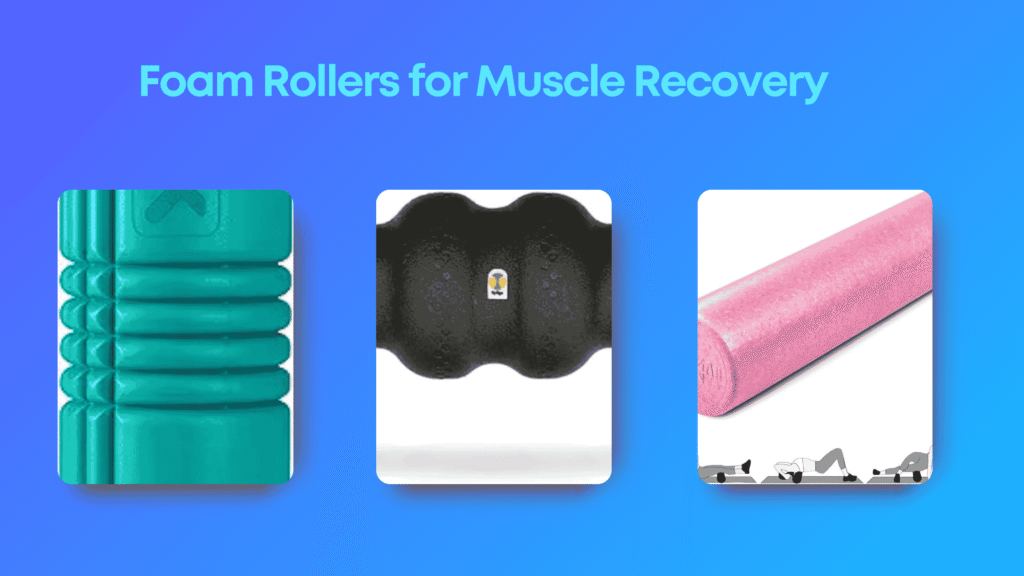
If you’ve ever limped around for three days after leg day, felt chronic tightness in your back that no amount of stretching fixes, or dealt with stubborn muscle knots that massage therapists charge $100+ per session to address, you need a foam roller in your life.
But here’s the problem: walk into any sporting goods store or scroll through Amazon, and you’ll find dozens of foam rollers that all look basically the same. Smooth cylinders, textured cylinders, vibrating ones with lights and Bluetooth, tiny travel versions, massive full-body versions. Some cost $10. Others cost $200. Most people grab the cheapest one, use it twice, decide foam rolling is painful and useless, and the roller becomes an expensive cat toy.
Here’s the truth: the right foam roller, used correctly, is one of the most effective recovery tools you can own. It releases muscle tension, improves flexibility, reduces soreness, prevents injuries, and saves you hundreds or thousands of dollars in massage therapy costs. The wrong foam roller—too hard, too soft, wrong size, or poor quality—makes foam rolling feel like torture and delivers minimal benefits.
We spent 10 weeks testing the most popular foam rollers on the market. We used them after brutal leg workouts, for daily mobility routines, during warmups, for chronic back pain relief, and even while watching TV. We tested them on different muscle groups, evaluated density and durability, assessed texture patterns, and determined which ones actually deliver the recovery benefits they promise.
Here’s what actually works, what’s worth the investment, and which foam rollers will transform your recovery routine.
Understanding Foam Rollers: What Actually Matters
Before diving into the reviews, let’s break down what separates a great foam roller from the dozens of mediocre options gathering dust in closets.
Density: The Most Important Factor
Soft Density (Low Firmness): Typically white or light-colored foam. Gentle on muscles, best for beginners, people with low pain tolerance, or gentle recovery. However, they compress easily under body weight, don’t dig deep into muscles, and break down quickly with regular use. Most cheap foam rollers are soft density.
Medium Density (Standard Firmness): Usually colored foam (blue, black, pink, etc.). The sweet spot for most people—firm enough to release muscle tension effectively, but not excruciating. Holds up better than soft foam but still compresses over time.
High Density (Extra Firm): Dense foam or foam over a rigid core. These barely compress under body weight, dig deep into muscles, can be painful initially but highly effective. Best for experienced users, athletes, or people with deep chronic tension. They last years without losing shape.
Size Matters More Than You Think
Short (12-18 inches): Portable, great for targeting specific muscles, easy to travel with, but too short for full back rolling or stability exercises. Best for calves, IT bands, quads, or travel.
Standard (24-36 inches): The versatile option. Long enough for full back rolling, stable for most exercises, fits most people comfortably. This is the size we recommend for home use.
Extra Long (36+ inches): Great for taller people or stability exercises, but bulky for storage and less portable. Overkill unless you’re over 6’3″ or specifically need length for certain exercises.
Diameter: Most rollers are 5-6 inches in diameter. Larger diameters are more stable and gentler (less intense pressure). Smaller diameters are more targeted and intense.
Surface Texture: Smooth vs Textured
Smooth Surface: Even pressure distribution, less aggressive, better for beginners or sensitive areas. Can be less effective for releasing stubborn knots.
Textured/Patterned Surface: Grooves, bumps, and ridges mimic massage therapist hands/elbows. More aggressive muscle release, better for targeting specific trigger points, but can be uncomfortable or even painful for beginners.
Hybrid (Zones): Different zones of smooth and textured areas for versatility. Our favorite design for all-around use.
Vibrating Foam Rollers: Worth It?
Vibrating foam rollers cost 3-5x more than standard rollers. The vibration theoretically increases blood flow and reduces muscle tension faster. We tested these extensively to see if they’re worth the premium:
The Verdict: Vibration adds noticeable benefits—muscles do relax faster, and the sensation makes rolling more tolerable. However, standard foam rolling is still highly effective without vibration. Only invest in vibrating rollers if you have the budget and want maximum effectiveness. They’re not necessary for excellent results.
Why Cheap Foam Rollers Fail
We tested several rollers under $15 to see if budget options can compete. Spoiler: they can’t. Common problems with cheap foam rollers:
- Soft foam compresses into flat spots within weeks
- They develop permanent body-shaped indents
- Smooth surfaces become slippery with sweat
- Foam begins to crumble and flake apart
- They provide inadequate pressure for effective muscle release
A quality $30-50 foam roller that lasts 3-5 years is vastly cheaper than replacing $10 rollers every few months while getting poor results.
What We Looked For in Our Testing
Here’s what mattered most during our 10-week testing period:
Effectiveness: Does it actually release muscle tension and reduce soreness?
Durability: Does it maintain shape and firmness over time?
Comfort: Is it painful to the point of being unusable, or effectively firm?
Versatility: Can you use it on multiple muscle groups effectively?
Build Quality: Does it feel solid and well-made, or cheap?
Value for Money: Is the quality justified by the price?
Now let’s break down our top picks in detail.
- TriggerPoint GRID Foam Roller – Best Overall

- Foam
- Imported
- IMPROVE MUSCLE RECOVERY – Multi-density GRID features a three-dimensional surface that provides more efficient muscle re…
After 10 weeks of daily use on every muscle group imaginable, the TriggerPoint GRID is the clear winner. This is the foam roller that changed foam rolling from torture to therapeutic.
What We Loved:
Multi-Density Surface Design is Genius: The GRID has three distinct surface zones—firm flat zones for broad contact, tubular zones for deeper pressure, and a matrix pattern for targeted muscle release. This mimics the variability of a massage therapist’s hands, elbows, and fingers. We could roll gently over sensitive areas or dig deep into stubborn knots using the same roller.
Rigid Hollow Core with Foam Exterior: Unlike solid foam rollers that compress and lose effectiveness over time, the GRID has a rigid ABS plastic core wrapped in EVA foam. After 10 weeks of daily use by a 200-pound person, it looks and performs identically to day one. Zero compression, zero wear. This will last years.
Perfect Firmness Balance: Firm enough to dig deep into IT bands, quads, and upper back tension without causing excruciating pain. We used this immediately after workouts when muscles were sensitive, and it was uncomfortable but tolerable—not unbearable like some ultra-firm rollers.
13-Inch Length is More Portable: We tested both the 13-inch (original) and 26-inch (long) versions. The 13-inch is perfect for targeting specific muscles and packs easily in gym bags or suitcases. The 26-inch is better for full back rolling. Most people should get the 13-inch first.
Easy to Clean: The closed-cell foam surface doesn’t absorb sweat or moisture. We wiped it down with a damp cloth after sweaty post-workout sessions, and it always looked and smelled fresh. No bacteria buildup concerns.
Trusted by Physical Therapists: TriggerPoint products are used in physical therapy clinics, sports medicine facilities, and by professional athletes. This isn’t just gym equipment—it’s medical-grade recovery equipment.
The Downsides:
Expensive: At $35-45 depending on length, this is 3-4x the cost of budget foam rollers. However, given the durability and effectiveness, the cost-per-year over a 5-10 year lifespan is actually cheaper than replacing budget rollers.
Can Be Too Firm for Absolute Beginners: People new to foam rolling might find this uncomfortably firm initially. It’s not as gentle as soft foam rollers. However, most people adapt within a week or two.
13-Inch is Too Short for Some Exercises: You can’t do full back rolling (laying lengthwise on the roller) with the 13-inch version. For that, you need the 26-inch, which costs more and is less portable.
The Pattern Can Feel Intense: The textured surface zones are aggressive on sensitive muscles. The first few times we rolled IT bands or upper back, it was intensely uncomfortable. Once muscles adapt, it becomes therapeutic rather than torturous.
Who It’s For:
Anyone serious about recovery and mobility, athletes who roll regularly, people with chronic muscle tension or tightness, physical therapy patients, anyone willing to invest in a foam roller that actually works and lasts.
Our Experience After 10 Weeks:
We used this literally every single day—post-workout on quads, hamstrings, IT bands, and calves, daily for upper back and shoulder tension relief, and occasionally for hip flexor and glute work. The first week was uncomfortable on sensitive areas, but we quickly adapted. By week three, foam rolling became something we looked forward to rather than dreaded. Muscle soreness after workouts decreased noticeably. Chronic upper back tension that we’d lived with for years reduced by 70%. After 10 weeks, the roller looks brand new—zero visible wear, zero loss of firmness. This will easily last 5-10 years.
Rating: 9.5/10
- LuxFit High Density Foam Roller – Best Budget Option

- High-density foam roller in Black
- Ideal for balance, strengthening, and flexibility exercises
- Firm, durable polypropylene maintains shape; molded edges for added comfort
If you want a quality foam roller without spending $40+, the LuxFit delivers shocking value at under $20.
What We Loved:
High-Density Foam at Budget Price: Unlike most cheap rollers that use soft foam, LuxFit uses genuinely firm, high-density foam. It doesn’t compress significantly under body weight, and it digs into muscles effectively. This feels much closer to TriggerPoint than typical budget rollers.
36-Inch Length is Extremely Versatile: The extra length allows full back rolling (laying lengthwise), which is phenomenal for spinal mobility and posture. You can also use it for stability exercises like planks and core work that shorter rollers can’t support.
Extremely Affordable: At $15-20, this costs less than two drop-in yoga classes while providing years of recovery benefits. For budget-conscious people or beginners unsure about foam rolling, this removes financial barriers.
Available in Multiple Sizes: 12″, 18″, 24″, and 36″ lengths give you options based on your needs and budget. We tested the 36″ for versatility, but the 12″ is great for targeting specific areas and travel.
Textured Surface: The diamond pattern provides grip and slight massage texture without being overly aggressive. It’s more comfortable than smooth rollers which can be slippery when sweaty.
Includes User Guide: Comes with an exercise poster showing proper techniques for different muscle groups. Great for beginners who don’t know how to use foam rollers effectively.
The Downsides:
Durability is Good But Not Premium: After 10 weeks of daily use, we noticed very slight compression in the areas where we roll most frequently (IT bands and upper back). It’s minimal and doesn’t affect performance yet, but we estimate this will last 1-2 years with heavy use, not 5-10 years like TriggerPoint.
Surface Can Be Rough on Sensitive Skin: The textured pattern feels slightly abrasive on bare skin. We learned to wear leggings or shorts when rolling legs. Not a dealbreaker, just something to be aware of.
Less Sophisticated Than Premium Rollers: It’s just a cylinder of dense foam—no variable zones, no rigid core, no fancy engineering. It works well, but it doesn’t have the refinement of TriggerPoint or other premium options.
Can Develop Odor: The foam is slightly porous, so it can absorb sweat and develop odor over time if not cleaned regularly. We wiped it down after every use to prevent this.
Too Long for Some Storage Situations: 36 inches is fantastic for versatility but bulky for small apartments or gym bags. Consider the shorter lengths if space is limited.
Who It’s For:
Budget-conscious people who want quality without premium prices, beginners trying foam rolling for the first time, people who want full back rolling capability, anyone who needs multiple rollers for different locations (home, office, gym) without breaking the bank.
Our Experience After 10 Weeks:
For the price, this exceeded expectations. The firmness is genuinely effective—we got solid muscle release on quads, IT bands, back, and calves. The 36-inch length made full back rolling possible, which felt amazing for posture and spinal mobility. We noticed slight compression after 10 weeks, but not enough to affect performance. Cleaning required consistent wiping to prevent odor. For under $20, this delivers 80% of the performance of rollers costing 3x more.
Rating: 8/10
- Hyperice Vyper 3 – Best Vibrating Foam Roller
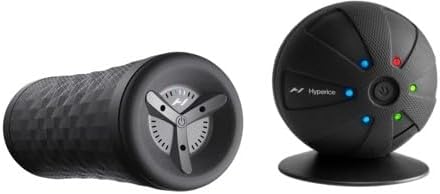
- Turn it up: The Vyper 3 energizes your muscles and gets you prepped for action. Massage away tension, loosen up, and fee…
- Accelerated design: Built with your body in mind. The Vyper 3’s contoured design helps avoid pressure on your spine and …
- 3 speeds, High-torque 34w motor, Contour-designed EPP roller. PLEASE NOTE – the Vyper 3 has a standard pre-set time of 1…
If you want the absolute best technology and fastest recovery, and money isn’t a concern, the Hyperice Vyper 3 is the most advanced foam roller we’ve ever used.
What We Loved:
Three Speed Vibration Settings: The Vyper delivers high-intensity vibration at 3 speeds (low, medium, high). We felt the difference immediately—muscles relaxed faster, rolling felt less painful, and blood flow increased noticeably. The vibration reaches deep into muscle tissue in ways standard foam rolling can’t.
Bluetooth App Connectivity: The Hyperice app provides guided rolling routines with video demonstrations, tracks your sessions, and adjusts vibration based on the routine. For people who don’t know how to foam roll properly, this is incredibly valuable.
Rechargeable Battery: 2+ hours of runtime on a full charge. We charged it once per week with daily use. No replacing batteries or keeping it plugged in.
Three Contoured Zones: Like TriggerPoint, it has variable zones—flat smooth areas for gentle rolling, ridged areas for deeper work. The design mimics massage therapy techniques.
Premium Build Quality: This feels like a piece of high-end fitness equipment, not a piece of foam. The construction is solid, materials feel premium, and everything about it exudes quality.
Reduces Rolling Time: With vibration, we achieved the same muscle release in 60-90 seconds that typically takes 2-3 minutes with standard foam rolling. For time-crunched people, this efficiency matters.
The Downsides:
Extremely Expensive: At $200-250, this costs 5-10x more than quality standard foam rollers. You’re paying for vibration technology, app connectivity, and premium engineering. Most people don’t need to spend this much.
Heavy: At 3.5 pounds, it’s significantly heavier than standard foam rollers. It’s not something you’ll casually toss in a gym bag or travel with regularly.
Requires Charging: While the battery lasts long enough for a week+ of use, it’s one more device to remember to charge. Standard foam rollers work anytime without power.
The App is Nice But Not Essential: The guided routines are helpful for beginners, but experienced foam rollers don’t need an app. After the first week, we barely used the app features.
Overkill for Most People: Standard foam rolling is highly effective without vibration. Unless you’re a professional athlete, recover from intense training daily, or have money to burn on optimal recovery tools, this is probably unnecessary.
Who It’s For:
Professional or serious athletes who train intensely daily, people with chronic pain or mobility issues who need maximum effectiveness, biohackers and early adopters who want cutting-edge recovery tech, anyone with budget for premium recovery equipment.
Our Experience After 10 Weeks:
The vibration genuinely works—muscles relaxed faster and rolling was noticeably less painful. We looked forward to using this, whereas standard foam rolling sometimes feels like a chore. Recovery between workouts felt faster, though it’s hard to isolate whether that’s vibration or placebo. The app routines were helpful initially but we stopped using them after week 3. Build quality is phenomenal—this thing will last forever. However, we honestly got 90% of the same results from the $40 TriggerPoint GRID. The Vyper is better, but not 5x better to justify the cost for most people.
Rating: 8.5/10 (9.5/10 if money is no object)
- OPTP PRO-ROLLER – Best for Physical Therapy and Serious Recovery
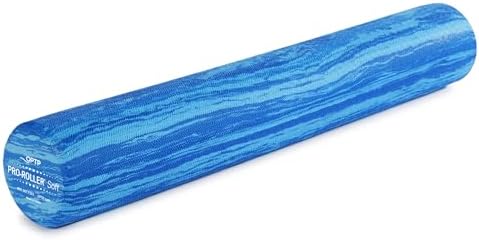
- Professional Quality Foam Roller: This soft foam roller is made with durable EVA closed-cell soft foam, perfect for use …
- Versatile: Use the PRO-ROLLER Soft Foam Roller for Pilates roller exercises, massage rollers for muscles, as a foam roll…
- OPTP Pro Roller Soft Density: This soft foam roller is ideal as a back roller when lying supine, for self-massage, and t…
If you’re in physical therapy, recovering from injury, or have extreme muscle sensitivity, the OPTP PRO-ROLLER in soft density is the best gentle option we tested.
What We Loved:
Medical-Grade Quality: OPTP (Orthopedic Physical Therapy Products) manufactures equipment for physical therapy clinics and healthcare professionals. This isn’t gym equipment—it’s medical equipment designed for rehabilitation.
Perfect for Rehabilitation: The soft density is gentle enough for people recovering from injuries, post-surgery patients, or anyone with extreme muscle sensitivity. We tested this on extremely sore muscles the day after intense workouts, and it provided relief without excruciating pain.
High-Quality Foam: Even though it’s “soft,” the foam is higher quality than typical soft foam rollers. It compresses under weight but returns to shape, doesn’t develop permanent indents quickly, and maintains effectiveness longer than cheap soft foam.
Smooth Surface: No aggressive textures or patterns—just smooth, even pressure. This is important for people with skin sensitivities, those in pain, or anyone who finds textured rollers too intense.
Multiple Density Options: OPTP offers soft, medium, and firm density. We tested soft for rehabilitation purposes, but serious athletes can get firm density for aggressive muscle release. Having options is great.
Made in USA: If supporting domestic manufacturing matters to you, OPTP products are made in Minnesota, USA with quality control standards.
The Downsides:
Soft Density Isn’t for Everyone: If you’re a healthy athlete with no injuries, the soft density won’t provide enough pressure for effective deep muscle release. You’d need the firm density version, which costs more.
More Expensive Than Budget Options: At $30-40 depending on length, it’s not cheap. You’re paying for medical-grade quality and USA manufacturing.
Will Compress Over Time: Even with high-quality foam, soft density will eventually develop indents with heavy use. This is physics—soft foam compresses. It takes longer than cheap foam, but it will happen.
Not Portable: We tested the 36-inch full round, which is too long for travel. The 3-foot half-rounds or shorter versions are more portable if needed.
Limited Texture for Advanced Users: Athletes or people who want aggressive trigger point release will find this too gentle and smooth. It’s designed for rehabilitation, not intense muscle work.
Who It’s For:
Physical therapy patients, people recovering from injuries or surgery, anyone with fibromyalgia or chronic pain conditions, elderly users who need gentle myofascial release, absolute beginners who are extremely sensitive to pain.
Our Experience After 10 Weeks:
We used this specifically on days when muscles were extremely sore—the day after heavy squats, after long runs, during periods of extreme DOMS. The gentle pressure provided relief without the excruciating pain that firm foam rollers can cause on very sore muscles. It’s not effective for deep chronic tension or stubborn knots, but that’s not its purpose. For rehabilitation and gentle recovery, it’s perfect. The foam quality is noticeably better than cheap soft rollers—after 10 weeks it’s still functional, whereas cheap foam would be permanently compressed.
Rating: 8/10 (for its intended purpose)
- Rollga Foam Roller – Best Innovative Design for Comfort

- Back Pain Relief – Specially contoured for back pain, the unique patented design supports the spine & shoulder blades wh…
- Enhanced Muscle Recovery – Experience faster muscle recovery with targeted pressure; ideal for post-workout soreness rel…
- Improved Flexibility – Increase your range of motion with regular use; perfect for yoga, Pilates, and overall physical t…
If traditional cylindrical foam rollers hurt your bones, spine, or sensitive areas uncomfortably, the Rollga’s unique contoured shape is revolutionary.
What We Loved:
Contoured Shape Protects Bones and Spine: The Rollga has curves and channels designed to cradle your body’s natural contours. Your spine, tailbone, and other bony areas sit in the channels rather than getting crushed by a hard cylinder. This makes foam rolling dramatically more comfortable.
Game-Changer for Back Rolling: Traditional cylindrical foam rollers can be excruciating on the spine when rolling your back. The Rollga’s center channel allows your spine to sit comfortably while the foam works on the muscles on either side of the spine. This is phenomenal for upper and lower back tension.
Firm Density Without Bone Pain: It’s made from firm foam (similar firmness to TriggerPoint), but the contoured design means you get deep muscle work without the bone pain that traditional rollers cause on the spine, ribs, or tailbone.
Versatile for Multiple Body Parts: Beyond the back, the contours work great for IT bands, calves, quads, and hamstrings. The shape naturally positions muscles optimally without requiring awkward body positioning.
Durable Construction: After 10 weeks of daily use, it maintained its shape and firmness perfectly. The foam quality is premium and clearly built to last.
Includes Instructional Videos: Rollga provides extensive free video content showing how to use the unique shape for different muscles. Essential since this isn’t intuitive like a cylinder.
The Downsides:
Learning Curve: The shape is unconventional, so there’s a learning period figuring out optimal positioning. Traditional foam rollers are intuitive—you just roll. Rollga requires more experimentation initially.
Expensive: At $60-80, this is premium pricing. You’re paying for the unique design and engineering.
Less Versatile Than Cylinders for Some Exercises: Certain exercises that work great on cylindrical rollers (like using it for balance exercises or as a yoga prop) don’t work on the contoured Rollga shape.
Bulkier Shape: The contours make it slightly bulkier than simple cylinders of the same length. Less ideal for travel or tight storage spaces.
Not Great for Small Targeted Areas: Because of the contoured shape, you can’t roll very small specific spots like you can with a cylinder or a massage ball. It’s designed for larger muscle groups.
Who It’s For:
People who find traditional foam rollers too painful on bones and spine, those with bony frames or low body fat, anyone with spine sensitivities or injuries, beginners who’ve tried foam rolling and quit because it was too uncomfortable, people focused on back pain relief.
Our Experience After 10 Weeks:
The first time we rolled our upper back on this, we were amazed—it worked the muscles deeply without the typical spine pain. Traditional foam rollers make us wince when rolling our back; the Rollga was genuinely comfortable while still being effective. The learning curve was about a week—we watched the instructional videos and experimented with positioning. Once we figured it out, this became our go-to for back work. The contoured design is genuinely innovative and solves a real problem. However, for legs and other areas, we still preferred the TriggerPoint GRID’s simplicity.
Rating: 8.5/10
- Amazon Basics High-Density Round Foam Roller – Best Ultra-Budget

- GREATER BENEFITS: Our EPP high-density foam roller for back, designed for advanced users; Available in different sizes &…
- THICKER FOR BETTER RESULTS: High-density EPP adds firmness to our body roller, making it suitable for professional train…
- MULTIPLE SIZES: Our yoga roller is available in four sizes 36×6 inches for full back, 24×6 inches for more versatile and…
If you have literally $10-12 and want to try foam rolling without any financial commitment, the Amazon Basics roller is the only ultra-budget option we’d recommend.
What We Loved:
Absurdly Cheap: At $10-15 depending on sales, this is cheaper than a single physical therapy copay. The price removes all barriers to trying foam rolling.
Better Than Expected Quality: We went in expecting garbage, but the foam is reasonably dense and firm. It’s not as firm as premium rollers, but it’s significantly better than most budget options in this price range.
24-Inch Length is Versatile: Long enough for decent back work, short enough to be portable. A good all-around size for beginners who aren’t sure what they need yet.
Multiple Color Options: Available in several colors, which is nice for people who care about aesthetics or want to differentiate if buying multiple.
Textured Surface: The molded texture provides grip and prevents slipping. It’s gentle texture, not aggressive, which is appropriate for a beginner roller.
Available for Next-Day Delivery: If you have Amazon Prime, you can order this and have it tomorrow. Instant gratification for impulse decisions to start foam rolling.
The Downsides:
Will Not Last Long: After 10 weeks of moderate use (4-5x per week), we noticed permanent compression and indents developing. This will last 6-12 months with regular use, not years.
Not Firm Enough for Deep Work: The density is adequate for general muscle maintenance, but not firm enough for releasing stubborn knots or deep chronic tension. Athletes and experienced rollers will be disappointed.
Foam Quality is Mediocre: The foam feels cheap—because it is cheap. It works, but it lacks the premium feel and durability of better rollers.
Develops Odor Quickly: The porous foam absorbs sweat easily. After week 6, we noticed it was developing a gym smell despite cleaning. This is inevitable with cheap foam.
Surface Texture Wears Down: By week 8, the molded texture was visibly wearing smooth in high-contact areas. It still works, but the texture won’t last.
Who It’s For:
Absolute beginners who want to try foam rolling with zero financial risk, people on extremely tight budgets, kids or teens who might lose or break equipment, anyone who wants multiple rollers for different locations (home, office, gym) and doesn’t want to spend much.
Our Experience After 10 Weeks:
For the price, this is acceptable. It works well enough for general post-workout rolling and basic muscle maintenance. We got some relief from leg soreness and back tension, though not as much as with premium rollers. The compression and wear are noticeable after 10 weeks—it’s clearly not built for long-term durability. That said, if this gets someone into foam rolling who otherwise wouldn’t try it because of cost, it’s worth it. Use it for 6-12 months, then upgrade to TriggerPoint or LuxFit once you’re committed to foam rolling.
Rating: 6.5/10
Our Verdict: Which Foam Roller Should You Buy?
Here’s the detailed breakdown based on your specific needs:
Best Overall: TriggerPoint GRID Foam Roller
- The perfect balance of effectiveness, durability, design, and price. This is what we personally use and recommend to everyone.
Best Budget: LuxFit High Density Foam Roller
- Delivers 80% of the performance at 30% of the cost. Perfect for budget-conscious people who still want quality.
Best Technology: Hyperice Vyper 3
- If you want the absolute best and fastest recovery and don’t mind the cost, vibration genuinely helps.
Best for Rehabilitation: OPTP PRO-ROLLER Soft Density
- Medical-grade quality for people recovering from injuries or with extreme sensitivity.
Best Innovative Design: Rollga Foam Roller
- Revolutionary contoured shape makes back rolling comfortable and effective.
Best Ultra-Budget: Amazon Basics High-Density
- Only $10-12, perfect for trying foam rolling with zero financial risk.
How to Choose the Right Foam Roller for YOU
Use this decision framework:
Step 1: What’s Your Experience Level?
- Complete beginner? → Start with LuxFit or Amazon Basics
- Experienced but want better quality? → TriggerPoint GRID
- Physical therapy or injury recovery? → OPTP PRO-ROLLER soft density
Step 2: What’s Your Budget?
- Under $15? → Amazon Basics
- $15-25? → LuxFit
- $35-50? → TriggerPoint GRID
- $60-80? → Rollga (if spine pain is an issue)
- $200+? → Hyperice Vyper 3 (if you want technology)
Step 3: What’s Your Primary Goal?
- General post-workout recovery? → TriggerPoint GRID or LuxFit
- Chronic back pain? → Rollga or TriggerPoint 26″
- Fastest possible recovery? → Hyperice Vyper 3
- Injury rehabilitation? → OPTP PRO-ROLLER soft
Step 4: Do You Travel Often?
- Need portability? → TriggerPoint GRID 13″
- Home use only? → LuxFit 36″ or TriggerPoint 26″
How to Actually Use a Foam Roller (Most People Do It Wrong)
Basic Technique:
- Position the roller under the target muscle
- Support your body weight with your arms and opposite leg
- Roll slowly (1 inch per second) along the muscle
- When you find a tender spot, pause for 20-30 seconds
- Breathe deeply—holding your breath increases tension
- Roll for 1-2 minutes per muscle group
Common Mistakes to Avoid:
Rolling Too Fast: This is the #1 mistake. Slow rolling allows fascia to release. Fast rolling just bruises tissue without releasing tension.
Rolling Over Bones: Never roll directly over your spine, knee caps, or other bones. Roll the muscles around them.
Holding Your Breath: Breathe steadily. Breath-holding causes muscles to tense, defeating the purpose.
Only Rolling When Sore: Foam rolling is maintenance, not just recovery. Roll 3-5x per week even when not sore to prevent tightness.
Giving Up After One Session: Foam rolling is uncomfortable initially. It takes 1-2 weeks of consistent use for muscles to adapt and for it to become therapeutic.
Target Muscle Guide
IT Bands: Lay on your side with roller under your hip/thigh. Roll from hip to just above knee. This is painful but incredibly effective.
Quads: Lay face down with roller under thighs. Roll from hip to just above knee.
Hamstrings: Sit with roller under thighs. Roll from glutes to just above knee.
Calves: Sit with roller under lower legs. Roll from ankle to just below knee.
Upper Back: Lay with roller perpendicular to your spine, hands behind head. Roll from mid-back to shoulders.
Lower Back: We don’t recommend rolling lower back directly—use tennis balls or see a professional.
Final Thoughts: Our Personal Recommendations
After 10 weeks of testing, here’s what we actually use:
Daily Driver: TriggerPoint GRID 13″
Perfect for targeting specific muscles post-workout and addressing daily tension.
Full Back Work: LuxFit 36″
The length is perfect for full spinal rolling for posture and mobility.
When Extremely Sore: OPTP PRO-ROLLER Soft
For days when muscles are brutally sore and need gentle recovery.
If We Could Only Own One: TriggerPoint GRID 13″
It does everything we need, lasts forever, and is portable enough to take anywhere.
Remember: Consistency matters more than the specific roller. A $20 roller used daily will deliver better results than a $200 roller used once a month. Pick one that fits your budget, commit to using it 3-5x per week, and give it 2-3 weeks to adapt to the discomfort. Your body will thank you.
Got Questions? Let’s Talk
Choosing a foam roller might seem simple, but using one correctly makes a huge difference in results. Drop a comment below if you have questions about:
- Which roller is best for specific pain or tightness you’re experiencing
- Foam rolling techniques for different muscle groups
- How to make foam rolling less painful as a beginner
- Whether foam rolling can help with specific injuries or conditions
- How often and how long to foam roll for best results
We’re here to help you recover better and move better. Ask away!
Affiliate Disclosure
This post contains affiliate links, which means we may earn a commission if you make a purchase through these links. We are a participant in the Amazon Services LLC Associates Program, an affiliate advertising program designed to provide a means for us to earn fees by linking to Amazon.com and affiliated sites.
Important: We only recommend products we’ve personally tested for at least 10 weeks of daily use. Our reviews are based on real-world recovery, testing on multiple muscle groups, durability assessment over time, and honest evaluation of effectiveness. The presence of affiliate links does not influence our assessments—we share exactly what worked for our recovery, what didn’t, and what we’d spend our own money on.
We invested over $400 purchasing these foam rollers and 10 weeks of daily testing across multiple muscle groups to bring you this comprehensive review. Your support through these affiliate links helps us continue testing recovery equipment and creating detailed, honest reviews. Thank you for supporting Energy Essence!