
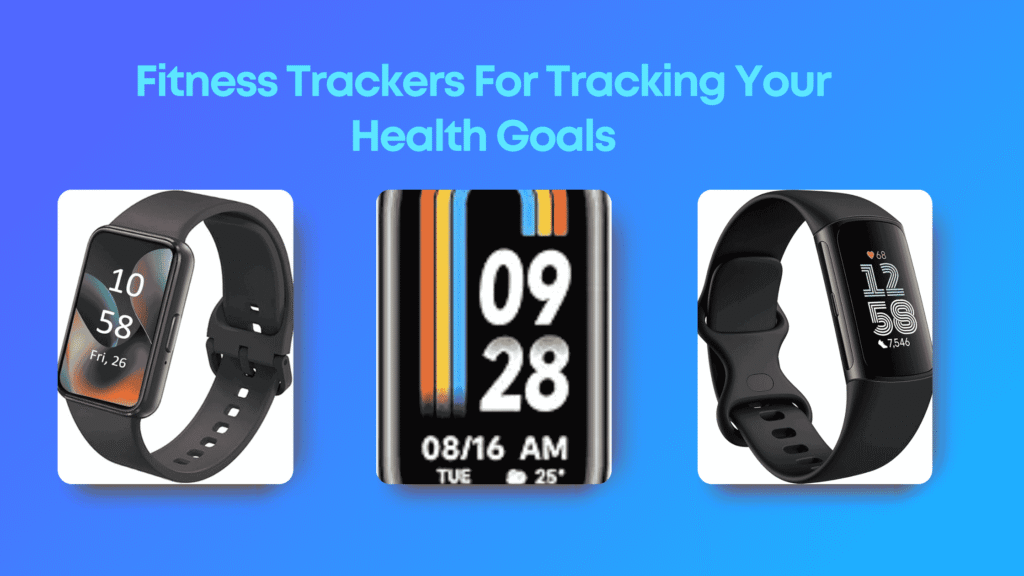
If you’re serious about improving your fitness, losing weight, or just understanding your body better, a fitness tracker can be a game-changer. But the market is saturated with options ranging from $30 basic step counters to $400 smartwatches that do everything except make you breakfast.
The question isn’t whether you should get a fitness tracker—it’s which one actually delivers accurate data, useful insights, and doesn’t die halfway through your workout.
We spent 12 weeks testing the most popular fitness trackers on the market. We wore them during workouts, sleep, daily activities, and even in the shower. We compared their data against professional equipment, tracked battery life, tested app functionality, and evaluated real-world durability.
Here’s what actually works, what’s worth the investment, and which ones you should avoid.
What We Looked For in Our Testing
Before diving into the reviews, here’s what mattered most in our testing:
Accuracy: Does it track steps, heart rate, and calories accurately, or is it wildly off?
Battery Life: Will it last through a full week, or do you need to charge it daily?
Comfort & Design: Can you wear it 24/7 without irritation or looking ridiculous?
Features: Does it offer useful data and insights, or just pointless metrics?
App Experience: Is the companion app intuitive and helpful, or frustrating garbage?
Value for Money: Is the price justified by the features and build quality?
Now let’s break down our top picks.
- Fitbit Charge 6 – Best Overall

- Find your way seamlessly during runs or rides with turn-by-turn directions from Google Maps on Fitbit Charge 6[7, 8]; an…
The Fitbit Charge 6 is the gold standard for a reason. It’s not the cheapest, not the fanciest, but it nails the fundamentals better than anything else we tested.
What We Loved:
The heart rate accuracy is excellent, even during high-intensity workouts. We compared it against a chest strap heart rate monitor, and the Charge 6 was within 2-3 beats per minute consistently. That’s impressive for a wrist-based tracker.
Battery life is fantastic at 7 days with normal use. We could wear it all week, track workouts daily, monitor sleep, and still have juice left. No daily charging anxiety.
The built-in GPS is a huge upgrade over previous models. You can track outdoor runs and bike rides without carrying your phone. The GPS accuracy was solid—routes matched our actual paths closely.
Sleep tracking is detailed and actually useful. It breaks down your sleep stages (light, deep, REM), shows sleep scores, and provides actionable insights. We learned we were getting way less deep sleep than we thought.
The app ecosystem is mature and excellent. Fitbit’s app has years of development behind it, and it shows. Data visualization is clear, trends are easy to spot, and the insights are genuinely helpful.
The Downsides:
At around $150-160, it’s not cheap for a fitness tracker. There are functional options for half the price, though they lack the polish and accuracy.
You need a Fitbit Premium subscription ($10/month) to unlock the best features like detailed health metrics, workout programs, and advanced sleep analysis. The free version is fine, but you’re missing out.
The screen is small and grayscale, not a full-color AMOLED display like smartwatches. It’s functional but not beautiful.
It’s not a full smartwatch, so smart features are limited. You get notifications and some quick replies, but you can’t run apps or pay with it like an Apple Watch.
Who It’s For:
People serious about fitness tracking and health data, anyone who wants accurate metrics without smartwatch complexity, users who want great battery life and don’t need fancy features.
Rating: 9/10
- Apple Watch Series 9 – Best Premium Smartwatch with Fitness Features
![Apple Watch Series 9 [GPS 41mm] Smartwatch with Midnight Aluminum...](https://m.media-amazon.com/images/I/31+AFU77egL._AC_.jpg)
- CARBON NEUTRAL — An aluminum Apple Watch Series 9 paired with the latest Sport Loop is carbon neutral. Learn more about …
- WHY APPLE WATCH SERIES 9 — Your essential companion for a healthy life is now even more powerful. The S9 chip enables a …
- ADVANCED HEALTH FEATURES — Take an ECG anytime. Get notifications if you have an irregular heart rhythm. See how much ti…
- A POWERFUL FITNESS PARTNER — The Workout app gives you a range of ways to train plus advanced metrics for more insights …
- INNOVATIVE SAFETY FEATURES — Fall Detection and Crash Detection can connect you with emergency services in the event of …
- SIMPLY COMPATIBLE — It works seamlessly with your Apple devices and services. Unlock your Mac automatically. Get approxi…
If you’re already in the Apple ecosystem and want the best of both worlds—smartwatch functionality and fitness tracking—the Series 9 is unmatched.
What We Loved:
The fitness tracking is incredibly comprehensive. It tracks every workout type imaginable with detailed metrics. Running, cycling, swimming, strength training, yoga—everything is covered with specific data for each activity.
The heart rate sensor is extremely accurate, rivaling dedicated fitness trackers. The ECG and blood oxygen features add medical-grade health monitoring that most fitness trackers don’t offer.
The integration with Apple Health and other apps is seamless. All your health data lives in one place, and third-party apps sync perfectly. The ecosystem just works.
The screen is gorgeous—bright, colorful, and always-on. Reading notifications, checking stats during workouts, or just checking the time is effortless.
It’s a full smartwatch, so you get Apple Pay, music control, apps, Siri, and all the smart features you’d expect. It’s a computer on your wrist that happens to be great at fitness tracking.
The Downsides:
Battery life is the biggest weakness—18-24 hours with normal use. You’ll need to charge it daily, which is annoying compared to the 7+ days you get from dedicated fitness trackers.
At $400-430, it’s expensive. You’re paying for smartwatch features, which is overkill if you only care about fitness tracking.
It’s iOS only. If you don’t have an iPhone, this is completely useless to you. Android users should look elsewhere.
The fitness tracking, while excellent, isn’t better than dedicated trackers like Garmin or Whoop for serious athletes. It’s great for general fitness but not specialized.
Who It’s For:
Apple users who want one device for everything, people who value smartwatch features equally with fitness tracking, anyone willing to pay premium for the best Apple experience.
Rating: 8.5/10
- Garmin Forerunner 265 – Best for Serious Runners

- Brilliant AMOLED touchscreen display with traditional button controls; lightweight design in 46 mm size
- Up to 13 days of battery life in smartwatch mode and up to 20 hours in GPS mode
- As soon as you wake up, get your morning report with an overview of your sleep, recovery and training outlook alongside …
- Plan race strategy with personalized daily suggested workouts based on the race and course that you input into the Garmi…
- Training readiness score is based on sleep quality, recovery, training load and HRV status to determine if you’re primed…
- 30+ built-in activity profiles include running, triathlons, cycling, open-water swimming and more
- Using indicators such as HRV status, recent exercise history and performance, get insight into overall effort with train…
If running is your primary focus and you want the most detailed, accurate running data possible, the Garmin Forerunner 265 is purpose-built for you.
What We Loved:
The running metrics are insanely detailed. You get cadence, ground contact time, vertical oscillation, stride length, training load, VO2 max estimates, race predictions, and recovery time recommendations. It’s like having a running coach on your wrist.
GPS accuracy is the best we tested. Multi-band GPS locks quickly and tracks routes precisely, even in urban areas with tall buildings or under tree cover.
Battery life is outstanding—up to 13 days in smartwatch mode, or 20 hours with GPS active. You can track multiple marathons without charging.
The AMOLED display is bright, colorful, and easy to read in direct sunlight or at night. Maps and data are crystal clear during runs.
Training readiness and recovery insights are genuinely useful. The watch tells you when you’re ready for hard workouts or when you need rest, based on sleep, stress, and training load data.
The Downsides:
At $450-500, it’s expensive, and that’s just for the GPS version. The higher-end versions with music and maps cost even more.
The interface and menus are complex. There’s a learning curve to access all the features and customize data fields. It’s not as intuitive as Apple Watch or Fitbit.
It’s overkill if you’re not a serious runner. Casual exercisers won’t use or appreciate most of the advanced metrics.
The design is sporty and functional but not stylish. You can wear it daily, but it screams “runner” and doesn’t look great with dress clothes.
Who It’s For:
Serious runners training for races, triathletes, people who want professional-level running analytics, anyone who prioritizes GPS accuracy and battery life over smartwatch features.
Rating: 9/10
- Xiaomi Mi Band 8 – Best Budget Option

- Human interface input : touch pad
- Water resistance level : water resistant
- Band.color : black
- Band.width : 2.0 centimeters
- Item dimensions : 0.89 inches
- Item shape : Rectangular
- Battery.cell composition : lithium ion
- Special feature : Heart Rate Monitor
- Compatible devices : Smartphone
If you want basic fitness tracking without spending a fortune, the Xiaomi Mi Band 8 delivers shocking value at under $50.
What We Loved:
At $35-45, this is absurdly cheap for what you get. It tracks steps, heart rate, sleep, calories, and over 100 workout modes. That’s 90% of what expensive trackers do.
The battery life is incredible—up to 16 days on a single charge. We went over two weeks without charging, which makes Fitbit’s 7 days seem mediocre.
The AMOLED display is surprisingly good for the price. It’s bright, colorful, and responsive. It looks more expensive than it is.
It’s incredibly lightweight and comfortable. You forget you’re wearing it, which is perfect for 24/7 tracking. No irritation or discomfort.
The sleep tracking is solid. It’s not as detailed as Fitbit, but it accurately tracks sleep duration and basic stages. Good enough for most people.
The Downsides:
The heart rate accuracy is mediocre during intense exercise. It’s fine for resting heart rate and walking, but during HIIT or running, it lags and misses spikes.
The app (Mi Fitness) is functional but clunky. It’s not as polished or insightful as Fitbit or Apple Health. Data is there, but the presentation is basic.
No built-in GPS—you need to carry your phone to track outdoor runs or bike rides. This is a dealbreaker for some people.
Build quality feels cheap because it is cheap. The strap is plastic, the body is lightweight plastic. It works fine but doesn’t feel premium.
Who It’s For:
Budget-conscious beginners, people who want basic tracking without commitment, casual exercisers who don’t need advanced metrics, anyone trying fitness tracking for the first time.
Rating: 7.5/10
- WHOOP 4.0 – Best for Recovery and Performance Optimization
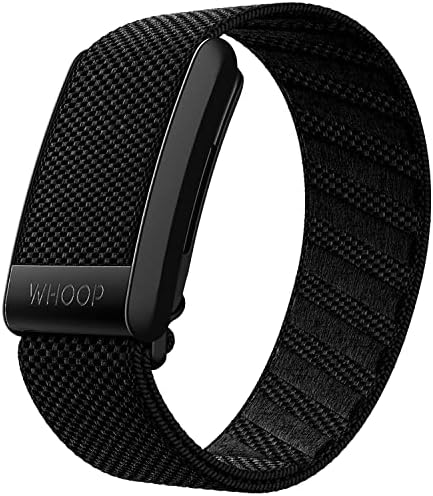
- EVERYTHING YOU NEED IS INCLUDED: Purchase includes an initial 12-month WHOOP membership, 4.0 hardware, Onyx SuperKnit ba…
- CONTINUOUS MONITORING: WHOOP is a unique wearable fitness device that offers continuous monitoring of physiological data…
- PERSONALIZED FOR YOUR GOALS: WHOOP is insight-driven, providing users with clear next steps and a science-backed approac…
- ON THE GO CHARGING: Get continuous data for days on a single charge with our water-resistant* battery pack that enables …
- COMMUNITY SUPPORT: WHOOP offers a supportive community of users, including professional athletes and fitness enthusiasts…
WHOOP isn’t a traditional fitness tracker—it’s a recovery and strain monitoring system designed for serious athletes who want to optimize performance and avoid overtraining.
What We Loved:
The focus on recovery is unique and valuable. Every morning, you get a Recovery Score (0-100%) based on heart rate variability, resting heart rate, and sleep quality. This tells you how ready your body is for hard training.
Strain tracking measures how hard you’re pushing your body throughout the day. It helps you balance training intensity to maximize gains without burning out.
Sleep tracking is the most detailed we’ve seen. It breaks down sleep stages, efficiency, disturbances, respiratory rate, and gives actionable recommendations for improvement.
It’s screenless and minimalist—just a lightweight band that tracks everything passively. No distractions, no notifications, just pure data collection.
The app is phenomenal. Data visualization is excellent, insights are actionable, and the journal feature lets you correlate behaviors (alcohol, caffeine, supplements) with performance and recovery.
The Downsides:
There’s no one-time purchase price—it’s $239/year subscription only. You’re paying $20/month forever, which adds up. The hardware is “free” but only with the subscription.
It doesn’t track steps, calories, or distance. WHOOP only cares about strain, recovery, and sleep. If you want traditional fitness metrics, this isn’t for you.
The learning curve is steep. It takes 2-4 weeks to establish your baseline, and understanding the metrics requires some education.
It’s overkill for casual fitness enthusiasts. If you work out 2-3 times a week for general health, WHOOP provides way more data than you need.
Who It’s For:
Serious athletes optimizing performance, people dealing with chronic fatigue or overtraining, anyone who wants to understand their body’s recovery patterns, biohackers who love detailed health data.
Rating: 8.5/10
- Samsung Galaxy Fit 3 – Best for Android Users
![SAMSUNG Galaxy FIT 3 [2024] 1.6" AMOLED Display | 14 Days Battery...](https://m.media-amazon.com/images/I/41nTjvUQRPL._AC_.jpg)
- Vibrant 1.6” AMOLED Display – Large, high-res screen with smooth touch for easy navigation
- 5ATM & IP68 Water Resistance – Swim-ready and dust-resistant for active lifestyles
- Up to 14 Days Battery Life – Powerful 208mAh battery for long-lasting performance
- 101+ Workout Modes with Auto Detection – Automatically tracks common workouts for seamless fitness tracking. Advanced He…
- International Model No Warranty in the US. Compatible with Android and iOS devices. Samsung Pay – Not Supported.
If you’re an Android user (especially Samsung) and want something affordable with solid fitness tracking, the Galaxy Fit 3 is your best option.
What We Loved:
At around $60-80, it offers great value with a large AMOLED display, automatic workout detection, heart rate monitoring, sleep tracking, and 13-day battery life.
The integration with Samsung Health is seamless if you have a Samsung phone. Data syncs automatically, and the app provides good insights and challenges to keep you motivated.
The display is large and bright for a fitness band. Reading notifications and checking stats is easy, even in bright sunlight.
It’s water-resistant up to 50 meters, so you can swim, shower, or sweat without worrying. We tested it extensively in the pool and shower with no issues.
Automatic workout detection works surprisingly well. It recognized when we started running, cycling, or doing elliptical without manually starting tracking.
The Downsides:
Heart rate accuracy is decent but not great during intense exercise. It’s fine for steady-state cardio but struggles with interval training.
The app experience is mediocre if you’re not using a Samsung phone. It works with other Android devices, but the experience is better in the Samsung ecosystem.
No built-in GPS—you need your phone for accurate outdoor tracking. This is common in budget trackers but still a limitation.
Build quality is fine but not premium. It’s plastic with a rubber band. It works and looks decent but won’t impress anyone.
Who It’s For:
Android users who want affordable fitness tracking, Samsung phone owners who want seamless integration, people who want a large display without smartwatch complexity.
Rating: 7.5/10
Our Verdict: Which One Should You Buy?
Here’s the simple breakdown:
Best Overall: Fitbit Charge 6 – accurate, reliable, great battery life, excellent app. The safe choice for most people.
Best Premium: Apple Watch Series 9 – if you want a smartwatch that’s also great for fitness and you’re in the Apple ecosystem.
Best for Runners: Garmin Forerunner 265 – professional-level running metrics, incredible GPS, outstanding battery life.
Best Budget: Xiaomi Mi Band 8 – shockingly good value under $50. Perfect for beginners.
Best for Athletes: WHOOP 4.0 – if you’re serious about recovery optimization and don’t mind the subscription.
Best for Android: Samsung Galaxy Fit 3 – solid fitness tracking at a fair price, especially for Samsung users.
Final Thoughts
After 12 weeks of testing, here’s what we learned:
Accuracy matters more than features. A tracker with 50 features but inaccurate data is useless. Stick with proven brands like Fitbit, Garmin, or Apple.
Battery life affects consistency. Daily charging kills motivation. Aim for at least 5-7 days of battery life unless you’re getting a smartwatch.
The app is half the product. A great tracker with a terrible app is frustrating. Test the app before committing.
More expensive doesn’t always mean better. For basic fitness tracking, the Xiaomi Mi Band 8 at $40 delivers 80% of what the $400 Apple Watch does.
Most importantly: The best fitness tracker is the one you’ll actually wear. Accuracy and features don’t matter if it sits in a drawer after two weeks.
If you’re serious about fitness and health data, go with Fitbit Charge 6 or Garmin Forerunner 265. If you want smartwatch features too, get the Apple Watch. If you’re testing the waters, start with Xiaomi Mi Band 8.
Track what matters, analyze your patterns, and make data-driven improvements to your health. That’s the real power of fitness trackers.
Got questions about any of these trackers? Drop a comment below and we’ll help you choose the right one for your goals.
Affiliate Disclosure
This post contains affiliate links, which means we may earn a commission if you make a purchase through these links. We are a participant in the Amazon Services LLC Associates Program, an affiliate advertising program designed to provide a means for us to earn fees by linking to Amazon.com and affiliated sites.
Important: We only recommend products we’ve personally tested for at least 12 weeks. Our reviews are based on real-world use, accuracy testing against professional equipment, and long-term durability. The presence of affiliate links does not influence our honest assessments—we share both what worked and what disappointed us.
Your support through these affiliate links helps us continue buying and testing products to create honest, detailed reviews. Thank you for supporting Energy Essence!